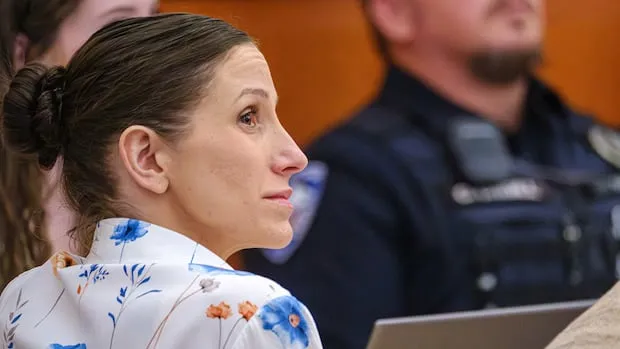
On March 16, 2026, Kouri Richins was convicted of aggravated murder for poisoning her husband, Eric Richins, with fentanyl. This conviction follows a trial that revealed a complex web of financial motives and alleged deceit.
Eric Richins, who was 39 years old at the time of his death on March 4, 2022, was found to have died from a fentanyl overdose. Prosecutors argued that Kouri Richins was in dire financial straits, with debts totaling $4.5 million, and had taken out approximately $2 million in life insurance policies on her husband without his knowledge.
During the trial, jurors deliberated for just over three hours before reaching a unanimous verdict. Kouri Richins was also found guilty of attempted aggravated murder, forgery, and insurance fraud, highlighting the severity of her actions.
Brad Bloodworth, a key figure in the case, remarked, “The first minute is not the sound of a wife becoming a widow, it is the sound of a wife becoming a black widow,” underscoring the gravity of the situation. Meanwhile, Amy Richin expressed her shock at the verdict, stating, “Honestly I feel like we’re all in shock, it’s been a long time coming.”
In addition to the murder charges, the prosecution presented evidence that Kouri Richins had a motive to kill her husband, as she reportedly wanted to leave him but did not want to forfeit his financial support. However, Wendy Lewis, a defense attorney, argued that the evidence was insufficient to prove that Kouri killed her husband.
Kouri Richins gained public attention not only for the murder trial but also for her children’s book about grief, which she wrote following her husband’s death. This juxtaposition of her public persona and the serious charges against her has captivated the media and the public alike.
The most serious charge, aggravated murder, carries a potential sentence of 25 years to life in prison. Kouri Richins is scheduled to be sentenced on May 13, 2026, a date that many are anticipating as the final chapter in this tragic case unfolds.
As the legal proceedings continue, the implications of this case resonate deeply within the community and raise questions about trust, betrayal, and the lengths to which individuals may go for financial gain.