Cuba is currently facing a severe energy crisis, highlighted by an islandwide blackout that left millions without power. This blackout, attributed to the deteriorating state of the country’s electrical system, is the third major outage in just four months, raising concerns about the reliability of Cuba’s aging grid.
The Ministry of Energy and Mines reported a “complete disconnection” of the country’s electrical system, which has been struggling due to a lack of maintenance and investment. As of now, only 5% of Havana’s residents have had their power restored, amounting to approximately 42,000 customers.
The crisis has been compounded by the fact that Cuba has not received any oil shipments since early January 2026, significantly impacting its ability to generate electricity. The U.S. has warned of tariffs on any country that sells or provides oil to Cuba, further isolating the island nation.
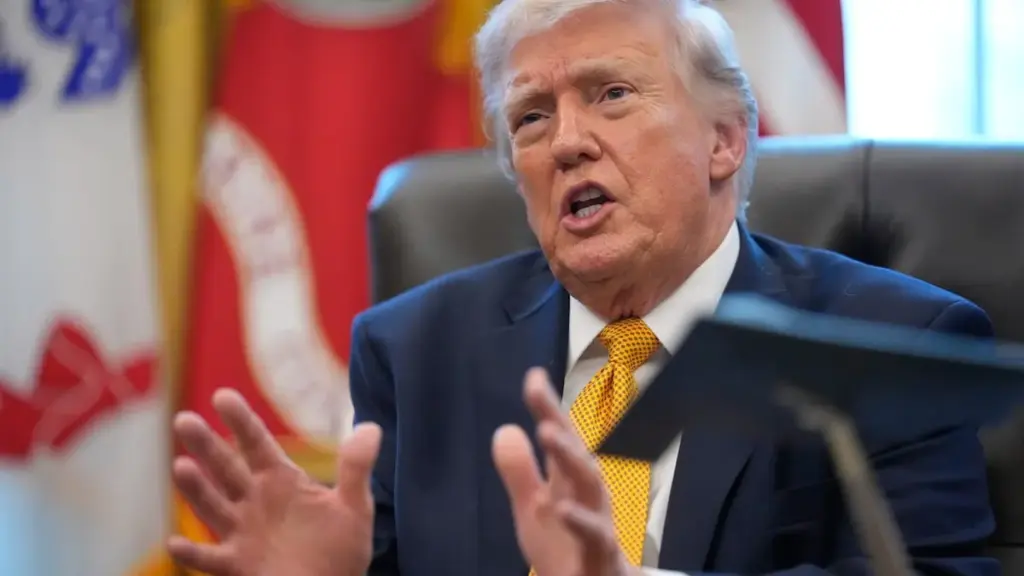
Donald Trump has expressed his intentions regarding Cuba, stating he expects to have the “honour” of taking control of the island. This political rhetoric comes amid Cuba’s government blaming its energy woes on a U.S. energy blockade, which they argue has crippled their economy.
With a population of approximately 11 million, the humanitarian implications of these blackouts are severe. Residents like Tomás David Velázquez Felipe, aged 61, lament the dire conditions, saying, “What little we have to eat spoils.” Another resident, 71-year-old Mercedes Velázquez, echoed the sentiment, stating, “Everything goes bad.” These voices reflect the growing frustration among Cubans as daily outages become increasingly common.
In response to the crisis, Cuban officials are inviting Cubans abroad to invest in and own businesses on the island, hoping to stimulate the economy and address some of the pressing issues. However, the effectiveness of these measures remains uncertain.
The situation continues to evolve, and further developments are anticipated as the Cuban government navigates this critical juncture. Details remain unconfirmed regarding the potential for international assistance or changes in U.S. policy that could alleviate the current energy crisis.