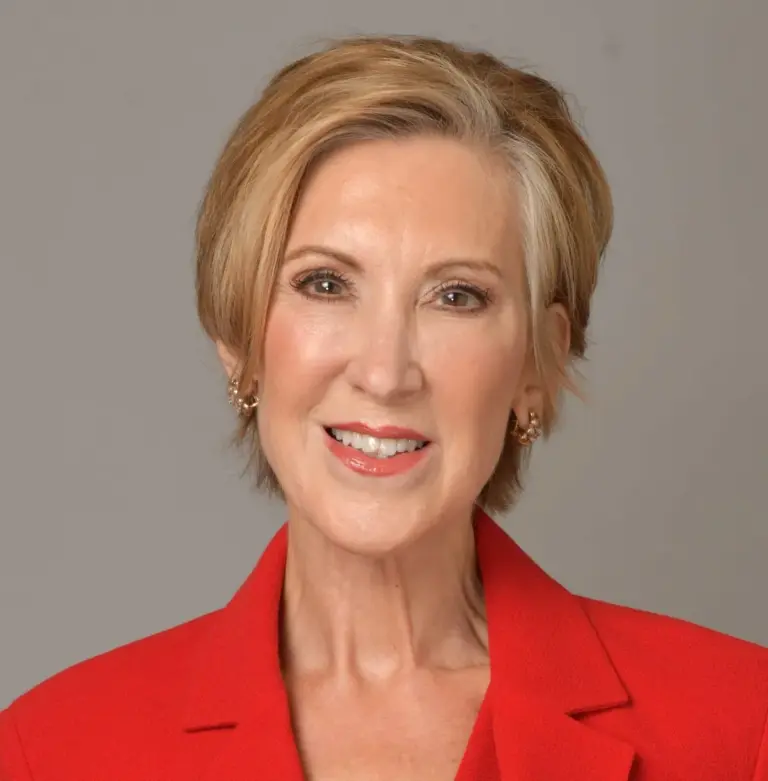
Before the recent diagnosis, Susie Wiles was a significant player in Donald Trump’s political endeavors, particularly as she managed his comeback campaign for the 2024 election. Known for her resilience and dedication, Wiles had been a constant presence at Trump’s side since he returned to office in January 2025. Her leadership was widely recognized, and expectations were high for her continued contributions to the campaign.
However, the landscape shifted dramatically when it was revealed that Wiles has been diagnosed with early-stage breast cancer. This decisive moment has brought attention not only to her health but also to the broader issue of women’s health challenges. Wiles, who is 68 years old, expressed gratitude for the early detection of her cancer, stating, “I am encouraged by a strong prognosis.” This optimism is crucial, as nearly one in eight women in the United States will face a breast cancer diagnosis at some point in their lives.
The immediate effects of Wiles’ diagnosis are multifaceted. While she plans to continue working during her treatment, her health journey may influence the dynamics of Trump’s campaign and her role within it. Donald Trump has publicly supported Wiles, stating, “Her strength and her commitment to continue doing the job she loves, and does so well, while undergoing treatment, tells you everything you need to know about her.” This support underscores the personal and professional bond they share.
Wiles’ situation highlights the resilience many women exhibit when facing similar health challenges. By stating, “I now join their ranks,” she acknowledges the community of women who have battled breast cancer, emphasizing the importance of early detection and support systems.
Experts note that early-stage breast cancer often has a favorable prognosis, which Wiles’ case reflects. Her experience could serve as a source of inspiration for others navigating similar diagnoses. As she continues her work, Wiles may also become a voice for awareness and advocacy in women’s health issues.
As the campaign progresses, Wiles’ health and her ability to balance treatment with her professional responsibilities will be closely watched. While she remains committed to her role, the impact of her diagnosis on the campaign’s trajectory is yet to be fully understood.
In the coming weeks, Wiles will likely share more about her journey, potentially shedding light on the challenges and triumphs of managing a high-profile career while facing health adversities. Her story may resonate with many, reinforcing the need for support and understanding in both personal and professional spheres.