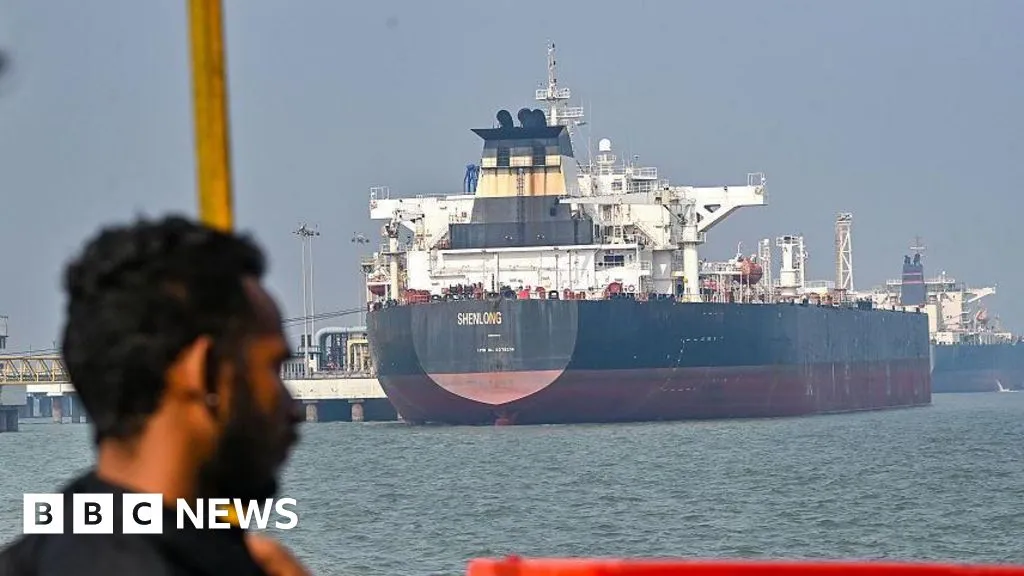
The situation in the Strait of Hormuz has intensified as Iran has threatened to close this critical maritime passage, which facilitates one-fifth of the world’s oil shipments. This development follows a series of U.S. and Israeli attacks that have raised tensions in the region.
As of now, oil prices have surged to over $100 per barrel, with projections indicating they could reach $200 if the strait remains closed. The Strait of Hormuz is just 21 nautical miles wide at its narrowest point, making it a strategic chokepoint for global oil supplies.
Iran’s new supreme leader has vowed to keep the strait closed, further complicating international efforts to secure the passage. In response, former President Donald Trump has called for a naval coalition to ensure the safety of shipping routes in the area, but no country has publicly agreed to send warships as of yet.
The U.K. is exploring the use of mine-hunting drones in the region, while both Germany and Greece have stated they will not participate in military operations in the strait. This lack of consensus raises questions about the effectiveness of any proposed coalition.
India, which relies on the strait for 80 percent of its liquefied petroleum gas imports, is particularly concerned about the implications of a potential closure. Reports indicate that approximately 333 million households in India could face cooking gas shortages if the situation escalates.
Iran has reportedly laid about 12 mines in the strait, further heightening fears of military confrontation. In a recent statement, Abbas Araghchi, a senior Iranian official, claimed, “The Strait of Hormuz is open. It is only closed to the tankers and ships belonging to our enemies. Others are free to pass.” This assertion underscores the complex dynamics at play.
Trump has warned NATO members of a “very bad” future if they fail to assist the U.S. in reopening the strait, indicating the geopolitical stakes involved. Meanwhile, Chris Murphy criticized the lack of a coherent plan regarding the situation in the strait.
Details remain unconfirmed regarding the timeline for reopening the Strait of Hormuz and the potential responses from other nations to Trump’s call for military support. The international community continues to monitor the situation closely as tensions remain high.