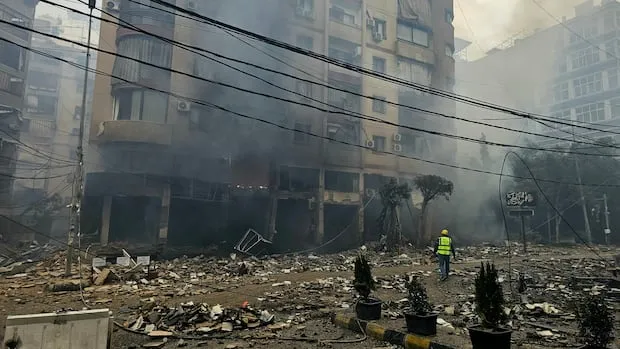
The ongoing Israel Iran War has intensified as President Donald Trump announced that Iran is willing to negotiate a ceasefire, yet he remains unwilling to finalize a deal due to unsatisfactory terms. This conflict has already resulted in the deaths of 13 active U.S. service personnel, including six crew members from a plane crash in Iraq.
As hostilities continue, Israel is reportedly running critically low on ballistic missile interceptors, raising concerns about its defensive capabilities. The U.S. military has responded with precision strikes on 90 military targets in Iran, while also preserving vital oil infrastructure in the region.
Iran has vowed to keep the Strait of Hormuz closed, a strategic waterway for global oil shipments, and has called for higher oil prices since the conflict began. The average gas price in the U.S. has surged from $2.94 a gallon on March 1 to $3.66 by March 14, 2026, reflecting the escalating tensions.
Trump has also raised questions about the status of Iran’s new supreme leader, Mojtaba Khamenei, stating, “I don’t know if he’s even alive. So far, nobody’s been able to show him.” This uncertainty adds another layer of complexity to the already volatile situation.
In a show of military strength, the U.S. has included missile defense assets in its military aid to Israel and has fired over 150 THAAD interceptors during the 12-day war with Iran last June. The U.S. military’s stockpile of munitions is described as virtually unlimited, according to Trump.
Despite the ongoing conflict, Iranian missile attacks have decreased by 90 percent due to U.S. and Israeli military actions, while drone attacks from Iran into neighboring Middle Eastern countries have also seen a significant reduction of 95 percent.
As the situation evolves, many countries affected by Iran’s threats to the Hormuz Strait are expected to send warships alongside the United States to ensure the waterway remains open and safe.
Details remain unconfirmed regarding whether the U.S. Navy will begin escorting ships through the Strait of Hormuz, and the specific terms that Trump would find acceptable for a deal with Iran have not been disclosed. Additionally, the status of Khamenei continues to be uncertain.