Reaction from the field
The recent heat dome phenomenon in Canada has raised significant public health concerns, particularly regarding the oil and gas industry. Public health physicians in British Columbia (B.C.) are advocating for an independent assessment to evaluate the potential health impacts associated with this industry, especially in light of the devastating effects observed during the 2021 heat dome event.
In November 2025, the Health Officers’ Council of B.C. passed a resolution that underscored the necessity for such an assessment. Dr. Tim Takaro, a prominent figure in public health, emphasized the lethal nature of climate change, referencing the severe consequences experienced during the 2021 heat dome, which highlighted the urgent need for action.
The Dawson Creek city council has shown support for the Health Officers’ Council’s resolution, indicating a growing recognition of the health risks posed by environmental factors linked to the oil and gas sector. Researchers have expressed alarm over the health outcomes for individuals residing near fracking sites in the Peace River valley, where there has been an unusually high incidence of rare cancer diagnoses.
A study conducted between 2016 and 2019 revealed that pregnant women living near oil and gas wells exhibited higher levels of harmful chemicals compared to the general Canadian population. Dr. Ulrike Meyer has reported an alarming frequency of rare cancers in these areas, raising concerns about the long-term health effects of exposure to fracking-related chemicals.
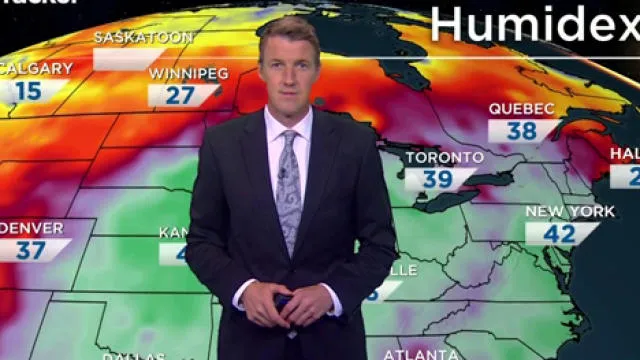
As the National Weather Service warned of unprecedented and potentially deadly temperatures in March due to a heat dome, the situation has drawn attention to the broader implications of climate change. In Phoenix, temperatures reached 100 degrees Fahrenheit, marking the earliest such record, while Southern California experienced temperatures 20 to 30 degrees above average.
Given the unprecedented length and magnitude of this extreme heat wave, forecasters have noted that heat stress will continue to escalate daily. Meteorologist Marc Chenard remarked on the nationwide trend of shifting temperatures, indicating that even regions not directly experiencing extremes will see a general transition from cold to warm conditions.
The ongoing discourse surrounding the health impacts of the oil and gas industry amid climate change raises critical questions about future regulatory measures. As communities and health officials push for more comprehensive assessments, the potential long-term health effects of these environmental changes remain a pressing concern.
Details remain unconfirmed regarding the full extent of health impacts and the effectiveness of proposed assessments, but the conversation surrounding climate change and public health continues to evolve in Canada.