Prior Expectations for Windows 12
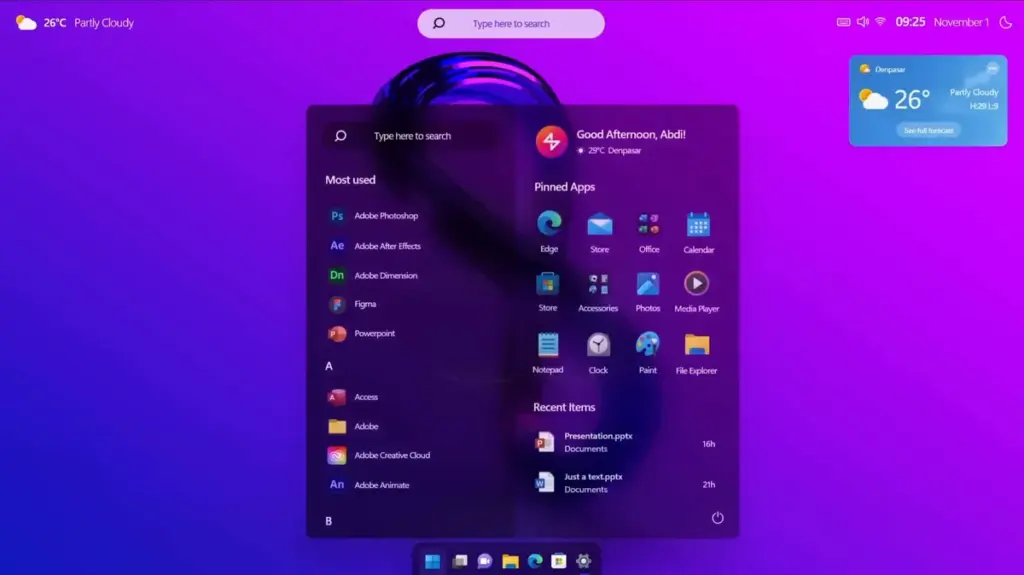
For years, users have anticipated the next iteration of Microsoft’s operating system, commonly referred to as Windows 12. The prevailing expectation was that this new version would address the shortcomings of its predecessors, particularly Windows 10 and Windows 11, which have faced criticism for their high system resource demands and problematic releases. With Windows 10 set to exit support in 2025, users were eager for a successor that promised enhanced performance and features.
The Shift in Narrative
However, recent developments have cast doubt on these expectations. Reports suggest that the rumors surrounding a potential 2026 release for Windows 12 are unfounded. Brad Chacos, a noted tech journalist, stated, “The claims made in the Windows 12 article were not a result of original reporting, so practically none of the statements therein are reliable.” This decisive moment has led to a reevaluation of what users can realistically expect from Microsoft in the near future.
Immediate Effects on Users
The uncertainty surrounding Windows 12 has had immediate repercussions for users. As Windows 10 approaches its end of support, many are left with the choice of upgrading to Windows 11, which has already raised the bar with its requirements for TPM 2.0 and newer CPUs. Consequently, some users are reconsidering their options, with a notable percentage increase in Windows 10 users as of February 2026, according to the Steam Hardware Survey. In contrast, Windows 11 has seen a decrease in its user base, indicating a potential shift in user sentiment.
Expert Perspectives on the Shift
Amidst this uncertainty, the rise of alternative operating systems, particularly Linux, has become increasingly relevant. StatCounter data indicates that desktop Linux is hovering around 4% globally in 2024, marking its highest level on record. This trend suggests that users are exploring options that may better suit their needs, especially given Linux’s ability to thrive on older and modest hardware, making it an attractive choice for budget-conscious users.
The Role of AI in Future Operating Systems
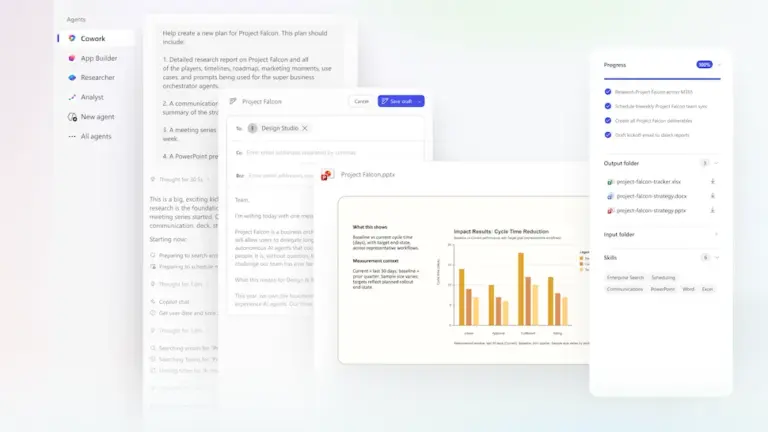
Furthermore, the integration of AI technologies into existing systems raises additional questions. Microsoft’s Copilot is already embedded across Windows 11, Microsoft 365, and Edge, indicating a future where AI plays a central role in user experience. However, this shift may alienate users who prefer a more traditional operating system without AI influences. As one observer noted, “If you want an AI-less Windows, you’ll be out of luck, and once Microsoft makes that change, there will be no going back.” This sentiment reflects a growing divide among users regarding the direction of operating system development.
Historical Context and User Migration
Microsoft’s history of releasing problematic operating systems has contributed to a climate of skepticism among users. The pattern of launching operating systems that are not fully ready has led many to consider alternatives. As users weigh their options, the prospect of migrating to Linux becomes more appealing, particularly for those seeking stability and performance without the high resource demands associated with newer Windows versions.
Looking Ahead
As the landscape surrounding Windows 12 continues to evolve, uncertainties remain. The exact release date of Windows 12 is unclear, and the specific features and changes in this anticipated operating system remain unconfirmed. In the meantime, users are left to navigate their choices, balancing the need for support and performance against the backdrop of a shifting technological landscape.