OCDSB Announces Junior Kindergarten Registration for Alternative Schools
The Ottawa-Carleton District School Board (OCDSB) has announced that families will be able to register their children for junior kindergarten at alternative schools this fall, a significant reversal from its earlier decision. This change comes as a response to community feedback and is set to take effect on March 10, 2026.
Initially, the OCDSB had paused junior kindergarten programs at alternative schools for the 2026–27 school year, a decision that sparked considerable pushback from families who value these educational options. The four alternative elementary schools affected by this decision are Churchill Alternative School, Lady Evelyn Alternative School, Regina Alternative School, and Riverview Alternative School. These schools are known for their distinct teaching approaches that emphasize collaboration, student choice, and project-based learning.
OCDSB is the largest public school board in Eastern Ontario, serving a diverse student population. The decision to open registration for junior kindergarten at alternative schools reflects the board’s commitment to accommodating the needs and preferences of families within the community. “We heard clearly from families that the alternative program is valued and that they want the opportunity to enroll their children,” an OCDSB representative stated.
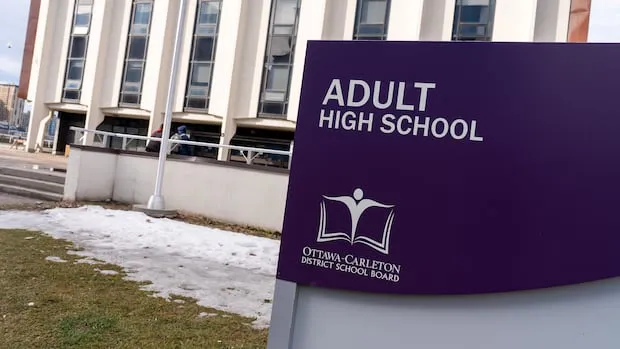
In addition to the changes in junior kindergarten registration, the Adult High School is also undergoing significant programming changes that will affect staff in the upcoming school year. The Adult High School provides academic credit courses for grades 10-12 and offers students the chance to obtain a high school diploma. Starting in the 2026-27 school year, the delivery model for students over the age of 21 will transition to a continuing education adult day school register.
These adjustments come at a time when the OCDSB is facing financial challenges, projecting an $11.5 million deficit for the current school year. This financial strain is part of a broader context, as the board had previously passed cuts amounting to $18 million in June 2025. The programming delivery change at Adult High School is part of a larger student-focused resource optimization project aimed at addressing these financial issues.
As the OCDSB navigates these changes, the exact nature of the impacts on staffing at the Adult High School is still being evaluated. Stephanie Kirkey, a representative from the board, noted, “It will have impacts across the system, but particularly to this site.” Furthermore, the specific program model, grade structure, and final boundaries for the four alternative schools remain unconfirmed, leaving some uncertainties for families and staff alike.
Community members have expressed concerns about the future of their schools and programs. Barry Boubacar, a parent, shared, “Everybody here in this school is worried about the future, what will happen.” As the OCDSB continues to assess and implement these changes, it is clear that the voices of families will play a crucial role in shaping the educational landscape in Ottawa.
In summary, the OCDSB’s decision to allow junior kindergarten registration at alternative schools marks a significant shift in policy, driven by community feedback and the need to adapt to changing circumstances. As the board moves forward, it will be essential to keep stakeholders informed and engaged in the process.