Multivitamins and Biological Aging
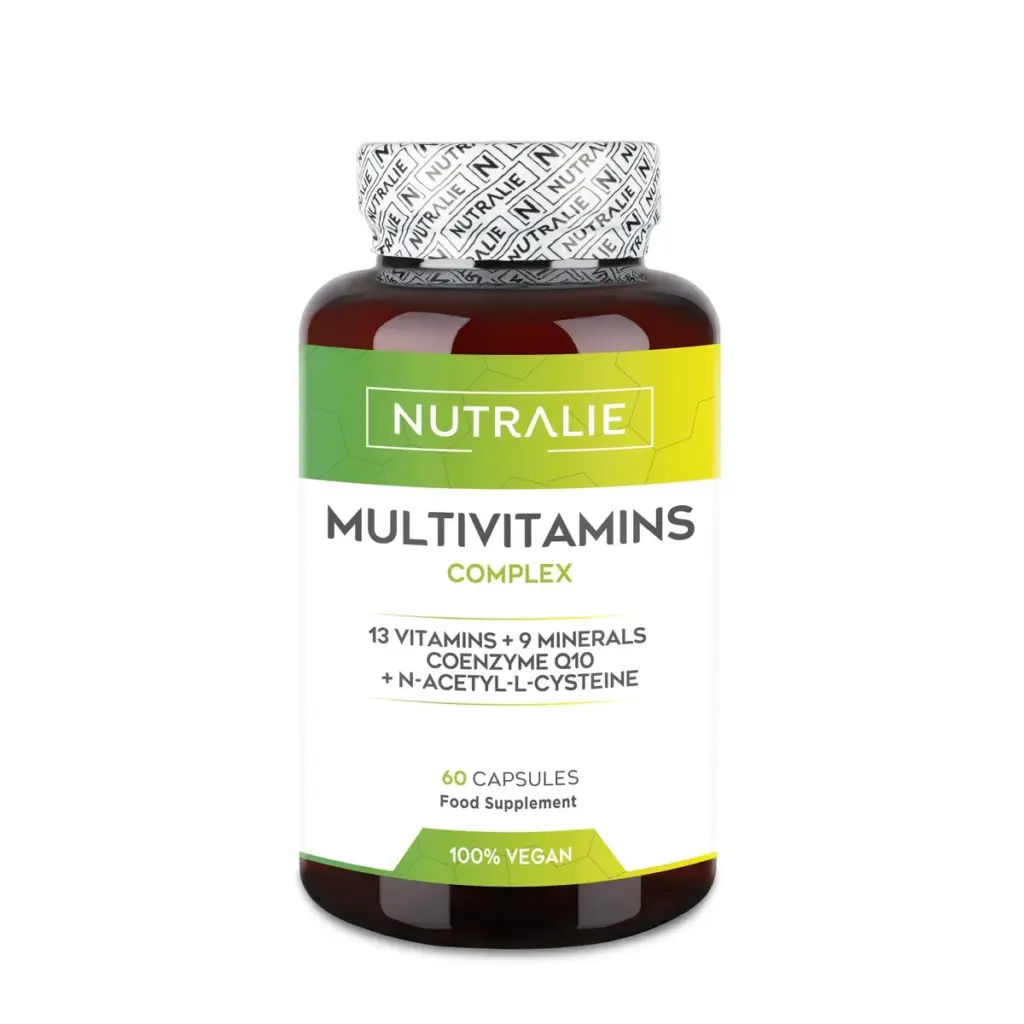
A recent study published in Nature Medicine has revealed that taking a daily multivitamin may slow markers of biological aging. This finding is significant as it suggests a potential avenue for enhancing health in older adults, particularly given the allure of slowing down the aging process.
The study involved 958 healthy participants with an average chronological age of 70. Over a period of two years, those who took multivitamins exhibited about four months less biological aging compared to those who did not. This was measured using five different epigenetic clocks, which are tools that assess biological age based on genetic factors.
However, the research was conducted with specific exclusions; participants with major chronic illnesses, cancer, or cardiovascular conditions were not included. This raises questions about the applicability of the findings to the general population, as the study’s participants were predominantly white and of similar age.
The COSMOS trial, which funded this research, was supported by Mars and the US National Institutes of Health, with Pfizer contributing by donating supplements. Despite the promising results, experts have urged caution in interpreting these findings. Professor Luigi Fontana noted that “the change was very, very small,” indicating that while there may be some effect, it is not substantial.
Furthermore, there is currently no evidence to suggest that multivitamins can reduce disease risk or increase survival rates. As Howard Sesso stated, “We are not yet in a position to recommend a daily multivitamin for all older adults.” This highlights the need for further research to validate these findings and understand their implications.
Interestingly, the study also examined the effects of cocoa extract, which was found to have no impact on the five epigenetic clocks tested. This aspect of the research was part of a broader investigation into whether cocoa extract or multivitamins could reduce the risk of developing cancer and heart disease.
Experts like Jenny Gunton suggest that if an individual’s diet is lacking, taking a multivitamin may be reasonable. However, the consensus remains that those with a healthy diet may not need additional supplementation. Details remain unconfirmed regarding the specific mechanisms by which multivitamins might influence health markers, and more research is needed to determine if these results apply to people of different ages and ethnicities.
In summary, while the study presents intriguing evidence that multivitamins may have a role in slowing biological aging, the findings are not definitive. The scientific community continues to explore the complexities of aging and the potential impact of dietary supplements.