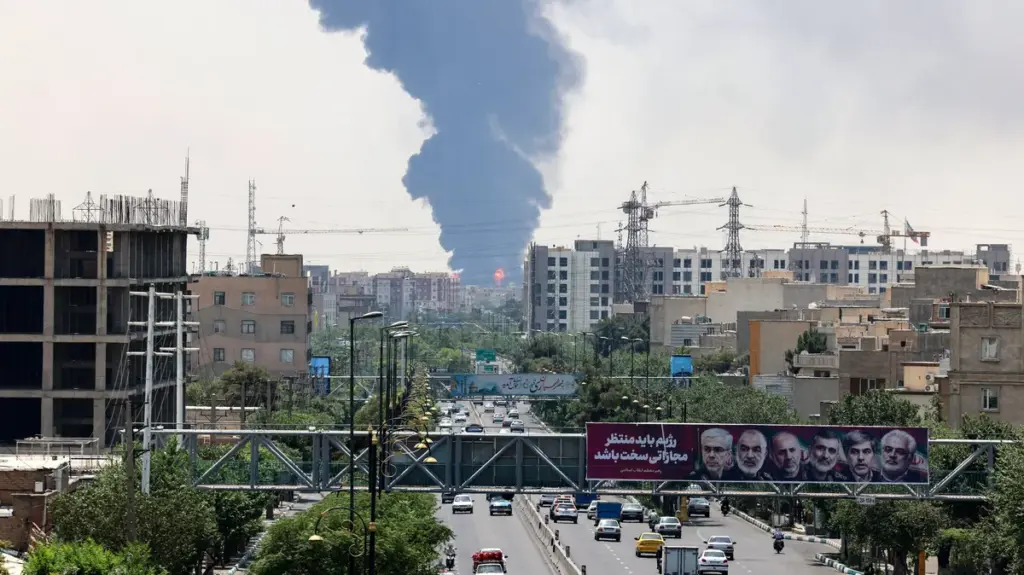
Impact of the Iran War on Global Oil Prices
The ongoing conflict in Iran has created a significant disruption in global oil supply chains, leading to a dramatic increase in oil prices. Just before the war escalated, oil prices were around $70 per barrel. However, as hostilities intensified, prices skyrocketed past $100 per barrel, peaking at $119 shortly after the conflict began.
Strait of Hormuz: A Critical Passage
The Strait of Hormuz, a vital waterway through which approximately 20 million barrels of oil transit daily, has become a focal point in this crisis. This narrow passage, only 21 nautical miles wide at its narrowest point, is crucial for the global oil supply, with about 20 percent of the world’s oil originating from the Gulf region. Notably, 89 percent of the oil flowing through this strait is destined for Asian markets, including major consumers like China, India, Japan, and South Korea.
Marine Traffic Disruptions
Since the onset of the Iran war, marine traffic through the Strait of Hormuz has nearly ground to a halt. This disruption has raised concerns among global markets about the stability of oil supplies, leading to further price increases. As Senator John Kennedy (R-La.) remarked, “When you have a major conflict in the Middle East, prices always go up.” This sentiment reflects the historical pattern of oil price volatility during periods of conflict in the region.
Gas Prices Surge in the U.S.
The ramifications of rising oil prices are being felt acutely in the United States, where the average price for a gallon of gasoline has increased more than 21% in just one week, now averaging $3.47. This surge in gas prices is a direct consequence of the escalating conflict and the resultant instability in oil supply. Senator Rand Paul (R-Ky.) expressed concern, stating, “I think high oil prices will be a problem,” highlighting the potential economic implications for consumers and businesses alike.
Economic Ripple Effects
The spike in oil prices is not just a concern for consumers at the pump; it has broader implications for the entire economy. Senate Minority Leader Chuck Schumer (D-N.Y.) noted, “When oil prices spike like this, it ripples across the entire economy.” This ripple effect can lead to increased costs for goods and services, further straining household budgets and economic growth.
Market Reactions and Future Outlook
As the situation in Iran continues to evolve, market analysts are closely monitoring the developments. The uncertainty surrounding the conflict and its impact on oil supply chains has created a climate of risk, as noted by Ismayil Jabiyev, who stated, “It’s all about risk.” Investors and consumers alike are bracing for potential further increases in oil prices, which could exacerbate inflationary pressures in various sectors.
As the Iran war unfolds, its impact on gas prices and the global economy remains significant. With oil prices reaching unprecedented levels and supply chains disrupted, the situation warrants close attention from policymakers and market participants. Details remain unconfirmed regarding the long-term implications of this conflict on energy markets and economic stability.