Before the Strike
Prior to the recent developments, the situation in Iran was tense but relatively stable. The Iranian military, particularly the Islamic Revolutionary Guards Corps (IRGC), had been under scrutiny for its activities, yet there had been no direct military engagement from the United States that resulted in civilian casualties. The IRGC compound was known to be fortified, and the nearby Shajareh Tayyebeh primary school had been walled off from the compound for at least eight years, suggesting a clear demarcation between military and civilian areas.
The Decisive Moment
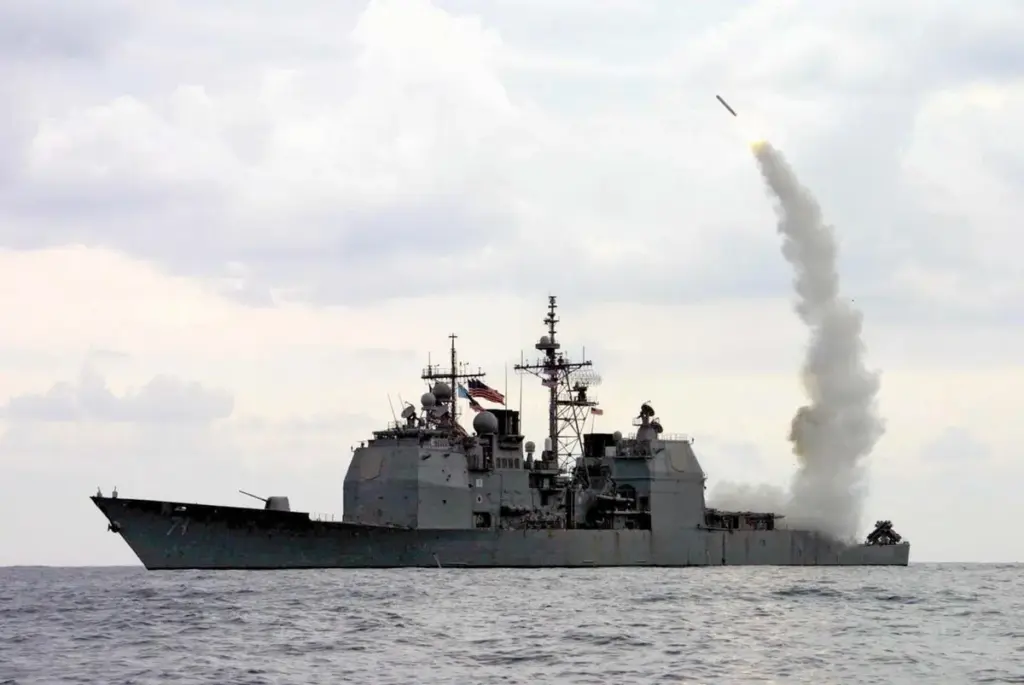
On February 28, 2026, a US Tomahawk missile struck the Iranian naval base adjacent to the primary school in Minab. This strike resulted in the tragic deaths of more than 168 people, with reports indicating that the majority of the casualties were children aged around 12. The missile was confirmed to be a Tomahawk, a weapon exclusively used by the US military. The strike was part of a broader series of attacks targeting the IRGC compound, which has drawn significant international attention and condemnation.
Immediate Aftermath
The immediate effects of the strike were catastrophic. The primary school was hit during the missile attack, leading to a devastating loss of life among children. Satellite imagery confirmed that the school and three buildings in the IRGC compound were struck, raising serious questions about the targeting protocols employed by the US military. The US Central Command acknowledged the use of Tomahawk missiles in the conflict, but the justification for the strike remains under investigation.
International Reactions
The bombing has been described as a grave violation of international law by UNESCO, highlighting the potential legal ramifications of the strike. Human Rights Watch has called for an investigation into the bombing, labeling it a possible war crime. The contrasting narratives surrounding the event have sparked outrage, with experts and organizations demanding accountability for the loss of innocent lives.
Expert Perspectives
Experts have weighed in on the implications of the strike. NR Jenzen-Jones noted, “The video shows a Tomahawk missile striking a target,” emphasizing the precision of the attack. However, footage has also emerged that appears to contradict claims made by US officials, including President Donald Trump, who suggested that Iran was responsible for the deadly school blast. This discrepancy has fueled further debate regarding the legitimacy of the US military’s actions.
The strike occurred approximately 800 kilometers away from Isfahan, where Israel has focused its military operations, indicating a potentially broader regional conflict. The historical context of US-Iran relations adds another layer of complexity to the situation, as both nations have a long history of tension and conflict. As investigations continue, the implications of this strike could reverberate throughout the region and beyond.
Uncertainties and Future Implications
Details remain unconfirmed regarding the exact number of casualties, as reports vary significantly. Furthermore, no independent agency has reached the site to investigate the bomb fragments, leaving many questions unanswered. As the US military conducts its investigation, the international community watches closely, awaiting clarity on the events that transpired and the potential consequences for US-Iran relations.