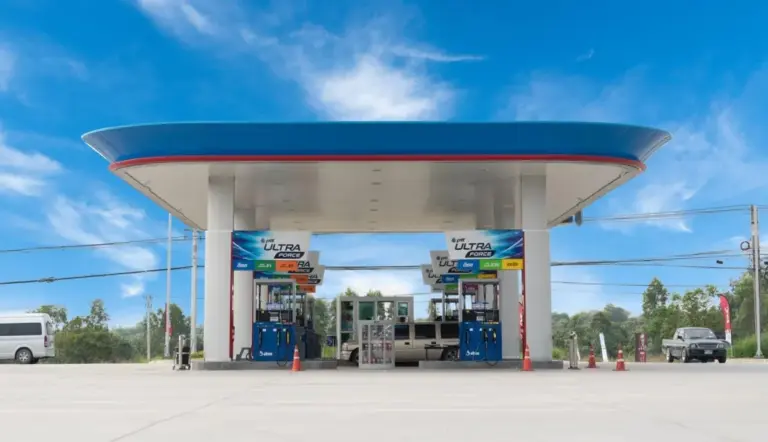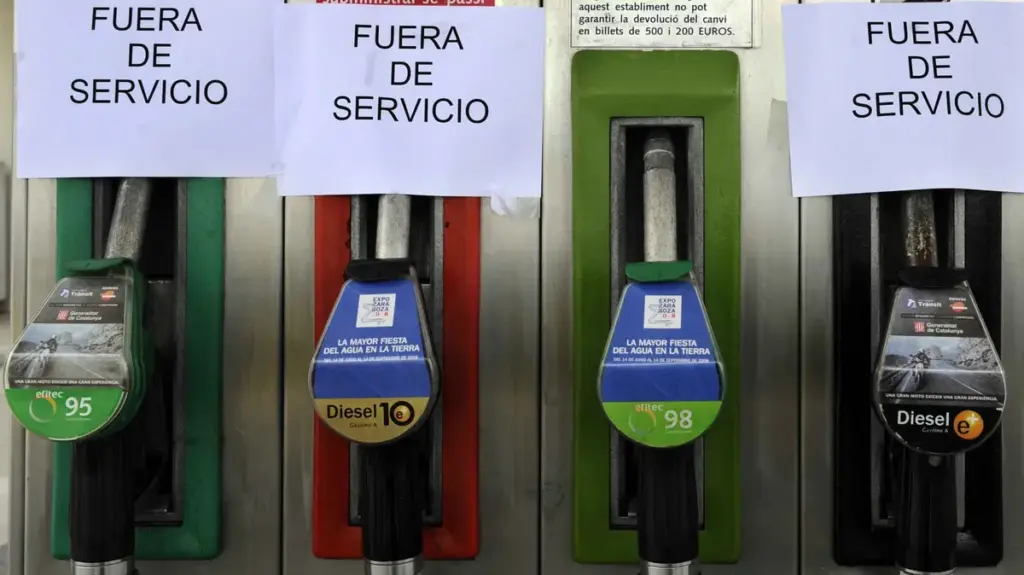
Current Fuel Price Landscape
As of March 9, 2026, fuel prices have surged dramatically across France, Spain, and Luxembourg, marking a stark contrast to previous expectations. Before this recent spike, consumers were accustomed to relatively stable fuel prices, with many anticipating only minor fluctuations in the coming months. However, the geopolitical tensions stemming from the ongoing conflict in the Middle East have led to a significant increase in oil prices, which have now exceeded 100 dollars per barrel.
Immediate Price Changes
The decisive moment came as refiners adjusted their prices in response to the soaring costs of crude oil. In France, the price of diesel is approaching 2 euros per liter, while in Spain, it averaged 1.735 euros per liter. Luxembourg has also seen a rapid increase, with diesel prices rising from 1.48 euros to 1.77 euros within just three days. Additionally, the price of unleaded 95 gasoline in Luxembourg rose from 1.483 euros to 1.522 euros between February 24 and March 4, 2026.
Effects on Consumers and Businesses
The direct effects of these price hikes are being felt by consumers and businesses alike. For many drivers, the rising costs have prompted a reevaluation of their travel and fuel consumption habits. French fuel stations, which are now significantly cheaper than their German counterparts by 30 to 40 cents per liter, have become attractive to German drivers seeking to save on fuel costs. This influx of cross-border customers is reshaping the local fuel market dynamics.
Expert Perspectives
Experts have weighed in on the situation, highlighting the broader implications of these price increases. Frédéric Plan noted that “all European countries are experiencing the same extraordinary wave of price increases,” indicating that this is not an isolated issue but part of a larger trend affecting the continent. Meanwhile, Marc-Antoine Eyl-Mazzega pointed out that many countries have substantial fuel reserves, allowing them to sustain supply for two to three weeks despite the rising prices.
Market Reactions and Future Outlook
As fuel prices continue to rise, questions arise about how long consumers will bear these costs. Philippe Chalmin raised a critical point regarding supply chain dynamics, asking, “When you sell something and need to replace it, will you sell at the price you bought it or the price you need to pay to restock?” This reflects the challenges that retailers face in maintaining profitability amidst fluctuating costs.
The current prices that consumers are facing were largely set before the onset of the conflict in the Middle East. As a result, the full impact of these geopolitical events on consumer prices is expected to manifest in the coming weeks. The historical context of fuel pricing suggests that such spikes are often temporary, but the current situation remains fluid.
As fuel prices continue to rise across France, Spain, and Luxembourg, consumers and businesses must navigate this challenging landscape. The interplay of geopolitical events and market dynamics will likely shape the future of fuel pricing in Europe, leaving many to wonder how long these trends will persist.