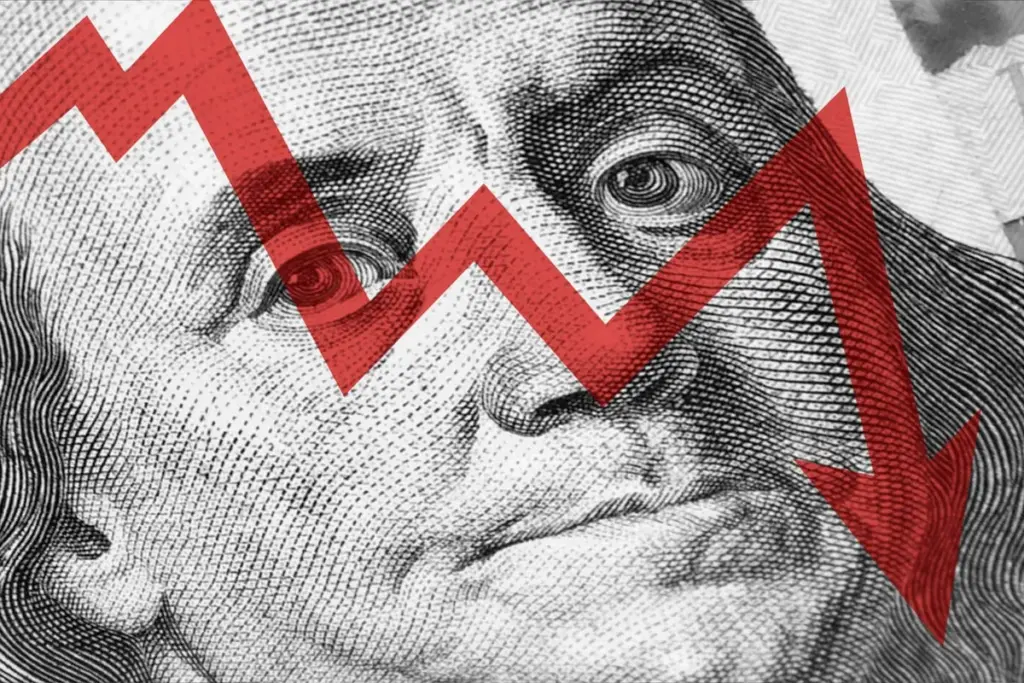
Concerns Over a Potential Stock Market Crash
The stock market is currently facing significant pressure, raising questions about whether it is on the brink of a crash. The CAPE ratio, a measure of market valuation, is hovering just below 40, marking its second-highest level in history. This situation echoes historical precedents, notably the late 1920s, when the market crashed and led to the Great Depression. Investors are increasingly wary as they consider the implications of such high valuations.
Historically, the CAPE ratio peaked at 44 in the year 2000, just before the dot-com bubble burst. This pattern of elevated valuations preceding market downturns has led many analysts to speculate about the potential for a similar outcome today. As the market grapples with these high ratios, the sentiment among investors remains cautious.
Compounding these concerns is the recent escalation of geopolitical tensions, particularly following military operations initiated by U.S. and Israeli forces against Iran on February 28. This conflict has significant implications for global oil supplies, as approximately 20% of the daily petroleum liquid used worldwide passes through the Strait of Hormuz. The ongoing situation has already led to a historic surge in oil prices, with the April contract for West Texas Intermediate crude oil rising from a closing price of $67.02 per barrel to an intra-day peak of $111.24 per barrel, representing a staggering 66% increase.
The impact of rising oil prices has been felt across global markets. The UK stock market, for instance, recorded its largest weekly decline in nearly a year, reflecting investor anxiety over the Iran conflict and its potential ramifications. In the U.S., the economic landscape appears equally troubling, with the economy unexpectedly losing 92,000 jobs in February. Such job losses can further dampen consumer confidence and spending, which are critical for economic growth.
As these factors converge, the question remains: is the stock market going to crash? Analysts are divided, with some suggesting that the current market conditions may lead to further selling. One analyst noted, “History suggests further selling could be on the horizon, I have a contrarian view that buying the dip right now may prove to be a wise choice.” This perspective highlights the uncertainty that investors face in navigating the current climate.
Moreover, the potential for a global recession looms if the Strait of Hormuz remains closed due to ongoing conflicts. An analyst remarked, “If the Strait of Hormuz isn’t reopened in the coming weeks, it might cause a global recession.” Such a scenario would have dire consequences not only for the stock market but also for the broader economy.
Details remain unconfirmed regarding the long-term effects of these geopolitical tensions and the impact of artificial intelligence on employment and the economy. As investors monitor these developments, the interplay between market valuations, geopolitical risks, and economic indicators will be crucial in determining the future trajectory of the stock market.