Background of the Conflict
Ayatollah Ali Khamenei served as Iran’s supreme leader for 37 years until his death on February 28, 2026, during a U.S.–Israeli strike on Tehran. This event marked a significant turning point in the region’s geopolitical landscape. Following his death, Mojtaba Khamenei, the son of the late leader, was appointed as the new supreme leader of Iran. This leadership change has led to a rapid escalation of hostilities, particularly between Iran and Israel, as well as other Gulf states.
Recent Developments
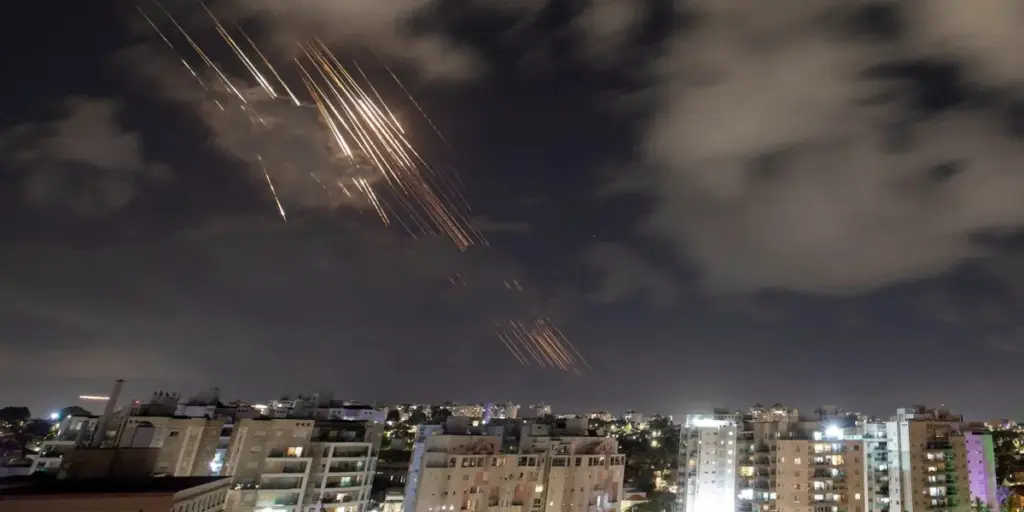
On March 9, 2026, Iran launched a series of attacks targeting Israel and several Gulf states, including Bahrain, Saudi Arabia, and Qatar. These actions have resulted in significant casualties, with reports indicating over 1,200 deaths in Iran, nearly 400 in Lebanon, and 11 in Israel. Additionally, seven U.S. service members have been killed since the onset of this conflict, raising concerns about broader military involvement.
The conflict has prompted immediate responses from various regional powers. Saudi Arabia’s Foreign Ministry stated, “The Kingdom affirms that it retains its full right to take all necessary measures to safeguard its security, sovereignty, and the safety of its citizens and residents, and to deter aggression.” This statement underscores the heightened tensions and the potential for further military escalation in the region.
Impact on Oil Prices
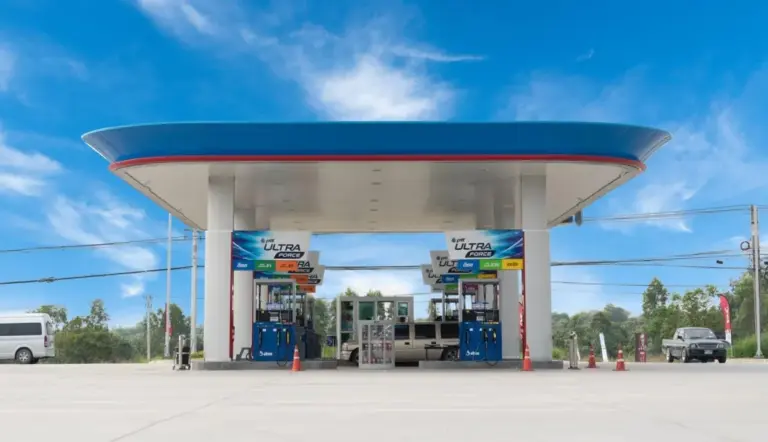
The ongoing conflict has also had a significant impact on global oil markets. Crude oil prices briefly neared $120 a barrel amid fears of supply disruptions resulting from the conflict. Bahrain’s state oil company declared ‘force majeure’ on its operations due to the escalating violence, further contributing to market instability. In the United States, the average gasoline price surged by about 50 cents a gallon within a week, reflecting the global repercussions of the conflict.
Military Engagements
In response to the Iranian attacks, the Israeli military has taken decisive action, reportedly destroying the headquarters of the air force of the Islamic Revolutionary Guard Corps (IRGC). Furthermore, Saudi Arabia successfully intercepted several drones targeting its Shaybah oil field, showcasing the ongoing military engagements and the heightened state of alert across the region.
International Concerns
As the conflict escalates, international observers are closely monitoring the situation. Iranian state media reported that at least 104 individuals were killed in a U.S. attack on an Iranian warship, raising concerns about the potential for further U.S. involvement. Additionally, Qatar’s government issued an alert for missile threats targeting the state, while Turkey intercepted a ballistic missile launched from Iran that entered its airspace. These developments highlight the increasing complexity of the conflict and the potential for wider regional implications.
Looking Ahead
As the situation unfolds, officials and analysts are left to speculate on the next steps in this volatile conflict. The Assembly of Experts in Iran has voted to appoint Mojtaba Khamenei as the Islamic Republic’s third leader since its founding in 1979, indicating a potential shift in Iran’s strategic approach. However, the immediate future remains uncertain as the region grapples with the consequences of this latest escalation. Details remain unconfirmed regarding the full extent of military engagements and casualties as the conflict continues to evolve.