DJIA Opens Sharply Lower Amid Oil Price Surge
The Dow Jones Industrial Average (DJIA) opened sharply lower on March 9, 2026, trading near 47,059, down 423 points or 0.89%. The index opened at 46,812 and printed an intraday low of 46,593, reflecting significant market volatility driven by surging oil prices and economic concerns.
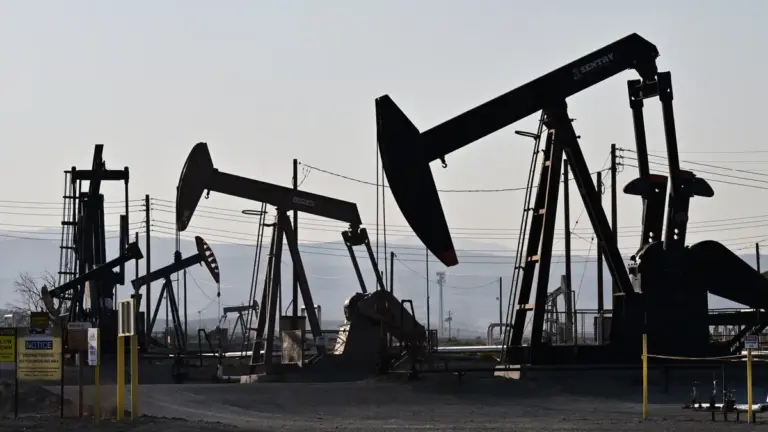
West Texas Intermediate (WTI) crude oil prices spiked as high as $119 per barrel, a dramatic increase that has raised alarms among investors. This surge in oil prices is largely attributed to a collapse in Iraq’s oil output, which fell by 70%, dropping from 4.3 million barrels per day to 1.3 million. The spike in fuel costs hammered travel stocks across the board, impacting companies such as United Airlines, Delta Air Lines, and Carnival.
The DJIA’s decline is compounded by broader economic indicators. The Dow Jones Transportation Average is on track for a 9% decline over the past three trading sessions, signaling potential trouble for the transportation sector. Additionally, February Nonfarm Payrolls posted a surprise decline of 92,000, marking the first negative print in years, which has further fueled concerns about the economy.
Market analysts are closely watching the Federal Reserve’s upcoming meeting on March 17-18, with current pricing suggesting a 97% probability that rates will remain unchanged. Rate cut odds for March have collapsed to just 3%, reflecting a shift in expectations as the oil-driven inflationary impulse is rapidly reshaping the interest rate outlook. “Any upside surprise would further cement expectations that the Fed stays on hold well into the summer,” noted one analyst.
As oil prices continue to rise, the monthly gain in March is on pace to be the largest since April 2020, raising concerns about inflation and its impact on consumer sentiment. The preliminary March University of Michigan Consumer Sentiment Index is forecast to slip to 55.0, indicating a potential decline in consumer confidence amid rising costs.
Investors are now faced with a complex landscape as they navigate the implications of rising oil prices and economic data. The ongoing escalation in the US-Iran conflict has further complicated the situation, impacting crude oil prices and market stability. Observers are keenly aware that the interplay between these factors will be critical in shaping the market’s trajectory in the coming weeks.
Details remain unconfirmed as the situation develops, but the current trends suggest that the DJIA and broader markets will continue to react to fluctuations in oil prices and economic indicators. The coming days will be crucial for investors as they assess the potential long-term impacts of these developments on the economy and the stock market.