Transition of Power
Before the recent developments, Ali Khamenei had been the most powerful political and religious figure in Iran since 1989, leading the nation for 37 years. His tenure was marked by a strong grip on power and a significant influence over Iran’s domestic and foreign policies.
Decisive Moment
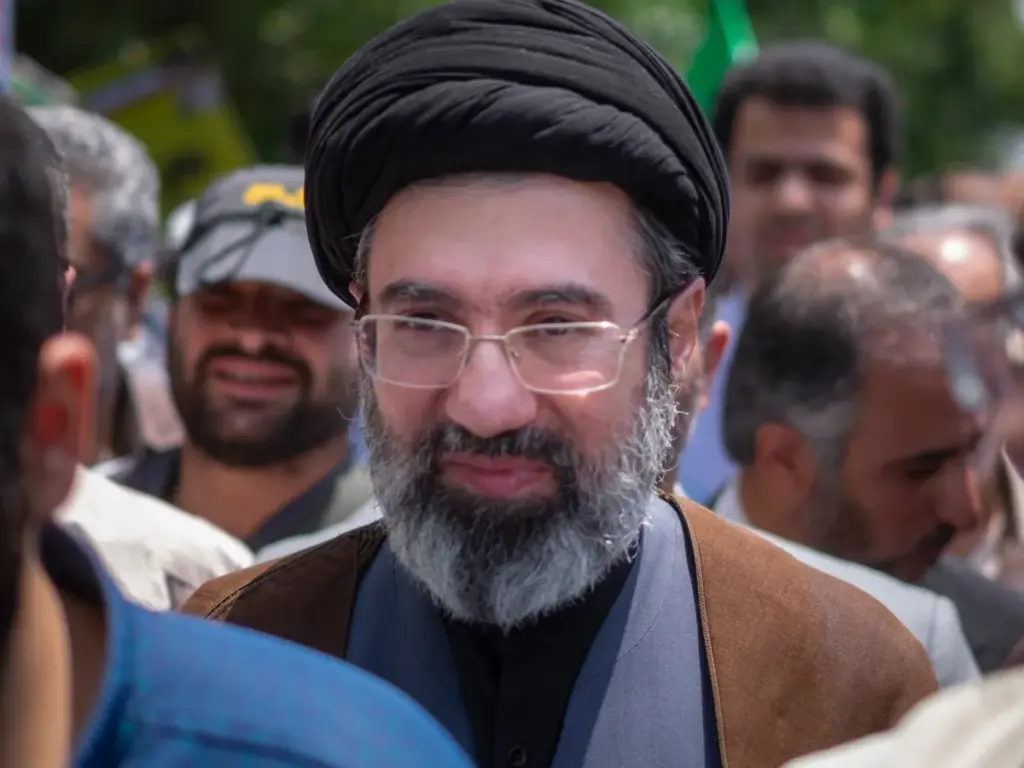
On March 8, 2026, a pivotal change occurred when Mojtaba Khamenei was named the new Iranian Supreme Leader following the assassination of his father in a joint United States-Israeli military operation. This operation, which took place on February 28, targeted over 500 strategic Iranian military and leadership sites, resulting in a dramatic shift in the Iranian leadership landscape.
Immediate Effects
The Assembly of Experts, responsible for choosing the supreme leader, swiftly appointed Mojtaba Khamenei, who is 56 years old. His ascension to power has been described by Iran’s President Masoud Pezeshkian as heralding a “new era of dignity and strength” for the nation. However, it is noteworthy that Mojtaba Khamenei has never run for office or been subjected to a public vote, raising questions about the legitimacy of his leadership.
Reactions and Perspectives
The appointment is expected to provoke a strong reaction from U.S. President Donald Trump, who remarked, “He’s going to have to get approval from us. If he doesn’t get approval from us, he’s not going to last long.” This statement underscores the potential challenges Mojtaba Khamenei may face in maintaining his position amidst external pressures.
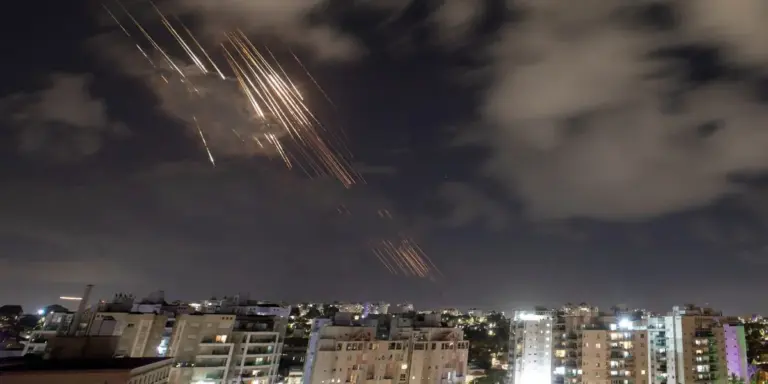
In response to the strikes that killed Ali Khamenei, Iran has launched missile and drone attacks against U.S. and Israeli forces across the region. The Islamic Revolutionary Guard Corps (IRGC) has claimed it possesses enough supplies to continue its offensive for up to six months, indicating a readiness to escalate military actions.
Expert Opinions
Experts suggest that the consolidation of power in the hands of Mojtaba Khamenei may lead to increased tensions both domestically and internationally. As Masoud Pezeshkian stated, this choice reflects the will of the Iranian nation to unite against perceived external threats. Meanwhile, Mohammad Bagher Ghalibaf emphasized that the fate of Iran will be determined solely by its people, not foreign influences.
As the situation unfolds, the implications of this leadership change will be closely monitored, particularly in light of the ongoing military confrontations and the geopolitical landscape in the Middle East. Details remain unconfirmed regarding the long-term impact of Mojtaba Khamenei’s leadership on Iran’s policies and international relations.