Background and Prior Expectations
Historically, U.S.-Cuba relations have been fraught with tension, particularly over the past fifty years. The expectation was that diplomatic discussions would continue to evolve, especially following periods of thawing relations. However, the recent political climate has shifted dramatically, particularly with Donald Trump’s administration, which has been characterized by a more aggressive stance towards Cuba and its allies.
Decisive Moment: The Summit Announcement
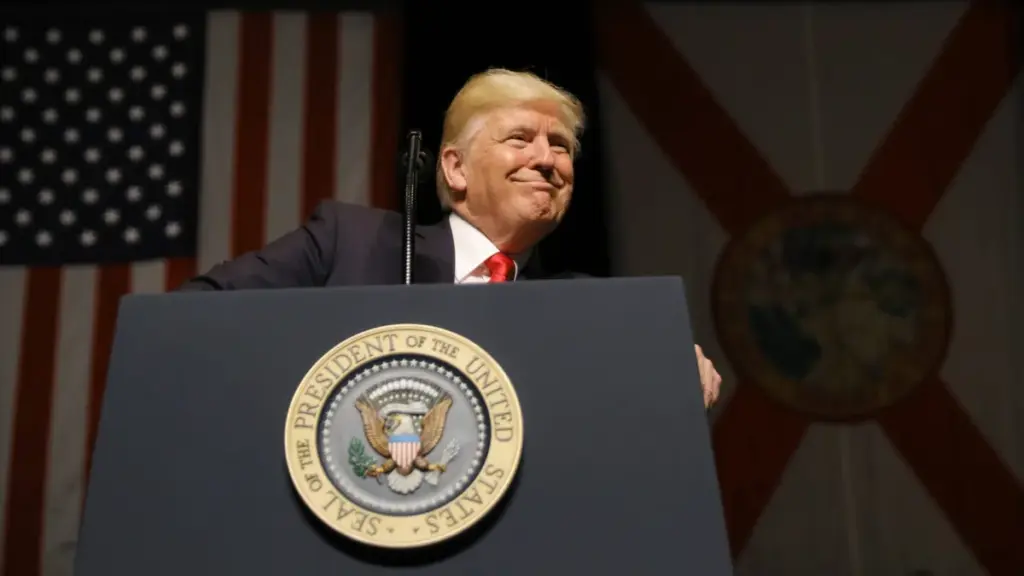
On March 7, 2026, in Doral, Florida, Trump announced the formation of a military alliance called the “Shield of the Americas” during a summit attended by leaders from seventeen nations. This coalition aims to combat drug cartels and address security concerns in the region. Trump emphasized that Cuba is in its “last moments” and suggested that negotiations with Havana could lead to a “friendly takeover.” This marked a significant departure from previous diplomatic efforts.
Immediate Effects on Cuba and Its Leadership
The announcement has drawn sharp criticism from Cuban President Miguel Díaz-Canel, who labeled Trump’s remarks as an attack against the Proclamation of Latin America and the Caribbean as a Zone of Peace. The U.S. has intensified economic pressure on Cuba, which heavily relies on oil imports from Venezuela, exacerbating the island’s ongoing humanitarian crisis characterized by power blackouts and shortages of essential goods.
Linking Cuba and Venezuela
Trump’s comments also linked Cuba’s precarious situation to the recent U.S. actions in Venezuela, suggesting that the two nations are intertwined in their struggles against U.S. foreign policy. The military alliance, which has garnered support from primarily right-wing leaders in Latin America, reflects a broader strategy to exert influence and control in the region.
Expert Perspectives and Historical Context
Experts have noted that Trump’s approach mirrors historical U.S. interventions in Latin America, where military action has often been used to achieve foreign policy objectives. The summit’s focus on military solutions raises concerns about the potential for increased violence and instability in the region. Trump has stated, “The only way to defeat these enemies is by unleashing the power of our militaries,” indicating a willingness to escalate military involvement.
Humanitarian Concerns and Future Implications
The humanitarian implications of this new military alliance cannot be overlooked. With Cuba already facing severe challenges, including power outages and reliance on foreign aid, the potential for military action could further destabilize the situation. As the U.S. continues to apply pressure, the future of Cuba remains uncertain, with many questioning the long-term impacts of such a confrontational stance.
Conclusion: A Shift in U.S. Policy
In summary, the announcement of the “Shield of the Americas” signifies a pivotal shift in U.S. policy towards Cuba and the broader Latin American region. As the situation develops, the international community will be watching closely to see how these changes affect not only Cuba but also the geopolitical landscape in the Americas.