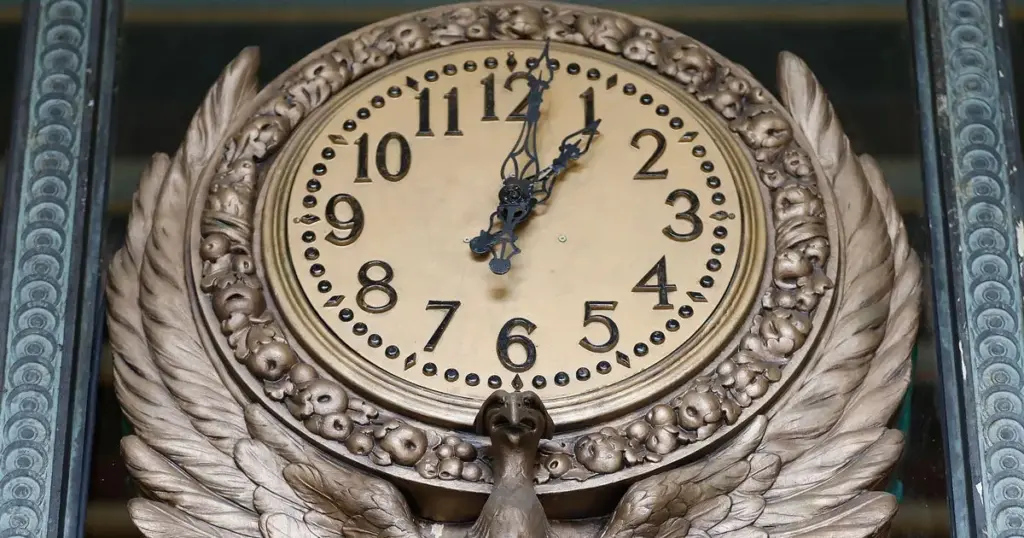
Daylight Saving Time 2026 Begins
Daylight Saving Time (DST) for 2026 commenced on March 8 at 2 a.m. local time, marking a significant time change for millions across the United States. This adjustment results in a loss of one hour of sleep as clocks spring forward.
Most of the U.S. observes DST, with notable exceptions including Hawaii and most of Arizona. Additionally, territories such as American Samoa, Guam, Northern Mariana Islands, Puerto Rico, and the U.S. Virgin Islands do not participate in the time change.
Daylight Saving Time was first adopted in the U.S. in 1918 during World War I as a measure to conserve fuel. Since then, it has been consistently in effect, particularly since the 1960s. The start date for DST has been the second Sunday of March since 2007.
In 2026, DST will be in effect for a total of 238 days, concluding on November 1. This extended period allows for longer daylight hours in the evenings, which is often welcomed by businesses such as bars and restaurants. For instance, in Indiana, this time change permits alcohol sales for an extra hour.
Despite its long-standing presence, public opinion on DST is shifting. A recent poll indicated that 66 percent of Americans favor the permanent elimination of daylight saving time, reflecting growing discontent with the biannual clock changes.
The time change at 2 a.m. was strategically established to minimize disruptions to train schedules, a consideration that remains relevant today. As the nation adjusts to the time shift, many are left wondering about the implications for their daily routines.
Observers are keen to see how this year’s DST will influence energy consumption and public sentiment regarding its future. Details remain unconfirmed regarding any potential legislative changes that could arise from the ongoing discussions about the relevance of Daylight Saving Time in modern society.