Recent Developments in Canada Immigration
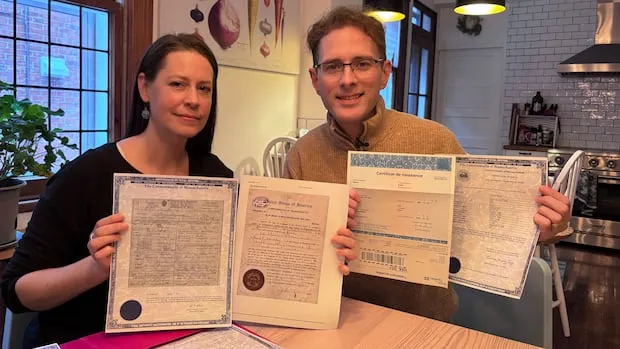
“We feel like we want that Plan B so that we know we have a place to go in the event that things get even worse here,” said Lynn Rutman, reflecting the sentiments of many Americans seeking Canadian citizenship amid changing socio-economic conditions.
The introduction of Bill C-3 has retroactively granted Canadian citizenship to individuals born before December 15, 2025, who would have been citizens if not for the first-generation limit. This legislative change is expected to lead to tens of thousands of requests for Canadian citizenship certificates over time.
As of early March 2026, nearly 48,000 people were waiting for a decision on their certificate applications, with an estimated processing time of 11 months. This backlog highlights the growing interest in Canadian citizenship, particularly among those with familial ties to Canada.
Requests for certified copies of vital records in Quebec have surged dramatically, increasing from just 32 in January 2025 to over 1,000 in January 2026. This spike is primarily driven by Americans seeking to establish their eligibility for Canadian citizenship.
“There’s no limit on how many generations you can go back, as long as you can prove it,” noted Cassandra Fultz, emphasizing the potential for many to reclaim their Canadian heritage.
However, Canada is currently facing challenges, including zero population growth for the second consecutive year due to reduced immigration targets. This stagnation is impacting the housing market, with asking rents falling two percent year-over-year in January 2026, marking the 16th consecutive month of annualized rent decreases.
Statistics Canada reported that real GDP rose by only 1.7 percent in 2025, the slowest pace of annual growth since 2016, outside the COVID-19 pandemic. These economic factors are contributing to a complex landscape for immigration and citizenship.
Mary Hamel described the process of obtaining citizenship as “time-consuming,” requiring several phone calls and appointments, which can deter some applicants.
Despite these challenges, many individuals remain hopeful. Patricia Evan Martins expressed her feelings, stating, “I always have felt Canadian and this would make me just so happy.”
As Canada navigates these changes and challenges in immigration policy, the impact of Bill C-3 and the evolving demographic landscape will likely continue to shape the future of Canada immigration.