Iranian President Masoud Pezeshkian Issues Apology
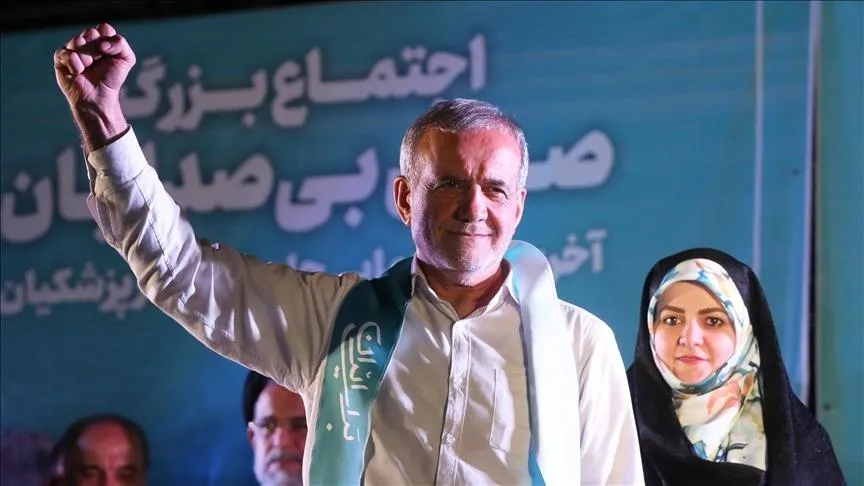
On March 7, 2026, Iranian President Masoud Pezeshkian publicly apologized for attacks on neighboring countries, a move that has ignited a backlash from hardliners within Iran.
Pezeshkian stated, “I personally apologize to neighbouring countries that were affected by Iran’s actions,” emphasizing that Iran would not initiate attacks unless provoked. This statement comes amid a turbulent political landscape following the death of Supreme Leader Ayatollah Ali Khamenei, which has led to visible internal divisions within Iran’s leadership.
In the context of ongoing conflict, the Iranian leadership council is currently overseeing the country, grappling with the implications of Khamenei’s passing. The conflict has resulted in significant casualties, with 1,230 people killed in Iran, 290 in Lebanon, and 11 in Israel, alongside 6 U.S. troops.
Pezeshkian’s apology has not been well-received by all factions; hardliners have criticized the gesture, viewing it as a sign of weakness. Ayatollah Gholamhossein Mohseni-Ejei, a prominent figure in Iran’s judiciary, remarked, “Heavy strikes on those targets will continue,” indicating a commitment to aggressive military strategies.
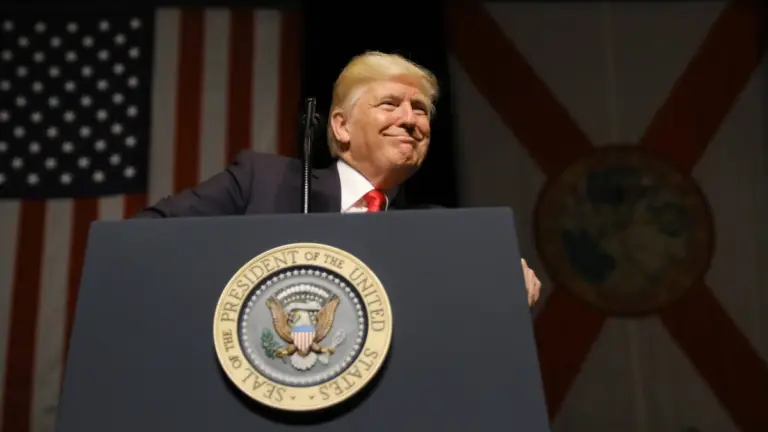
Furthermore, Pezeshkian rejected former U.S. President Donald Trump’s demand for Iran to surrender unconditionally, asserting that such expectations are unrealistic. He remarked, “That’s a dream that they should take to their grave,” reflecting the ongoing tensions between Iran and the West.
The geopolitical landscape remains fraught, particularly with the U.S. and Israel targeting Iran’s military capabilities during the conflict. The Iranian leadership’s internal divisions have become more pronounced in light of these external pressures.
Details remain unconfirmed regarding the response of Gulf states to Pezeshkian’s apology and the potential impact on Iran’s military strategy. As the situation evolves, the implications of Pezeshkian’s statements will continue to unfold.
With 400 water desalination plants across the Gulf region, the environmental and humanitarian aspects of the conflict also warrant attention, as regional stability becomes increasingly precarious.