Lando Norris Critiques New F1 Regulations After Australian Grand Prix
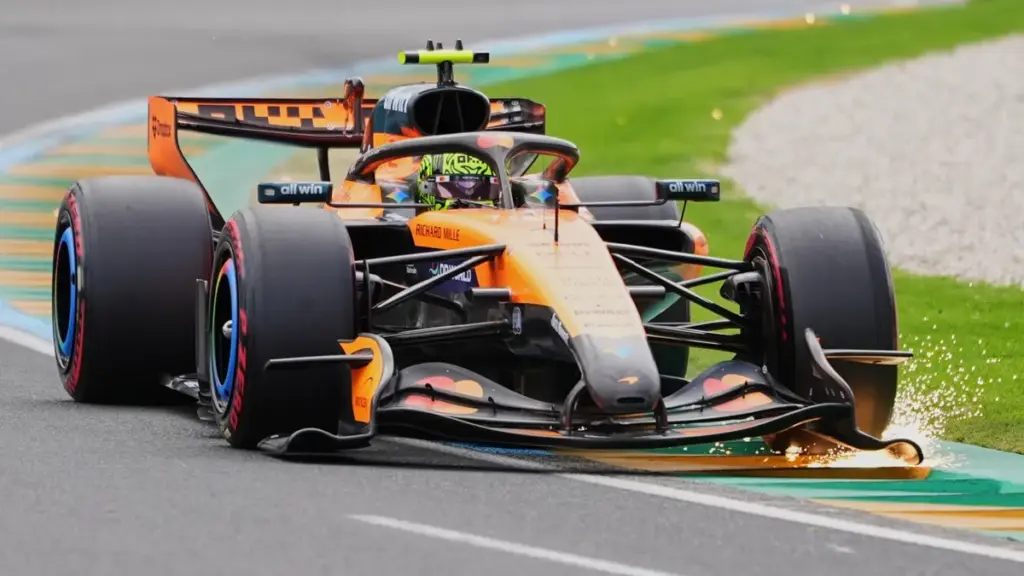
In a recent development at the Australian Grand Prix, Lando Norris of McLaren qualified sixth and finished fifth, but his performance was overshadowed by strong criticisms of the new Formula 1 regulations. Norris expressed his discontent with the changes, stating, “We’ve come from the best cars ever made in Formula 1, and the nicest to drive, to probably the worst.” This statement highlights his concerns regarding the impact of the new rules on the driving experience.
The new regulations, which introduced a 50:50 power output split between the turbo engine and electrical energy, have significantly altered the dynamics of F1 cars. Norris pointed out that these changes have led to an increase in the complexity of energy management, requiring drivers to adapt their driving styles. He commented, “It just doesn’t work,” indicating his frustration with the current state of the sport.
During qualifying, Norris faced an unexpected challenge when he collided with a cooling fan, which added to the difficulties of navigating the new car setup. Despite this setback, he managed to secure a respectable fifth place in the race. However, his post-race comments reflected a broader concern among drivers regarding safety. Norris warned that the new rules could lead to dangerous scenarios on the track, citing closing speeds of 30-50 kph that could result in significant accidents. He stated, “It’s chaos, you’re going to have a big accident, which is a shame.”
The introduction of the 2026 regulations has sparked debate within the F1 community. While the intention behind these changes was to attract new engine manufacturers to the sport, many, including Norris, believe that they have compromised the quality of racing. Norris criticized the 2026 regulations as “very artificial,” suggesting that they do not align with the interests of the drivers or the fans.
Norris emphasized that drivers have a better understanding of what the sport needs than the rulemakers, asserting, “I think we have the interest of the sport in our minds better than others.” This sentiment resonates with many in the paddock who feel that the new regulations have not been adequately tested or considered from a driver’s perspective.
As the season progresses, the implications of these regulations will continue to unfold. The F1 community is closely watching how teams and drivers adapt to the new challenges posed by the 2026 rules. Norris’s candid remarks highlight a growing concern that the essence of racing may be lost amid regulatory changes aimed at modernization.
In summary, Lando Norris’s performance in the Australian Grand Prix was marked by both achievement and frustration. His critiques of the new F1 regulations underscore a significant divide between the intentions of the rulemakers and the realities faced by drivers on the track. The future of Formula 1 may depend on how these concerns are addressed in the coming races.