Daylight Saving Time in 2026
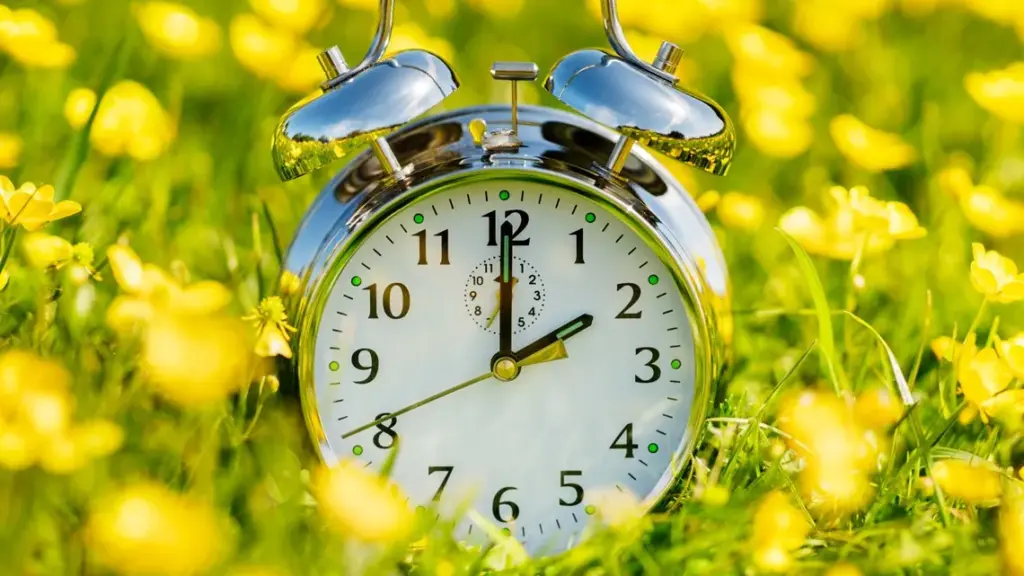
Daylight saving time will start on March 8, 2026, at 2 a.m. local time in the United States and Canada. This change means that most Americans will lose an hour of sleep as they spring their clocks forward.
Daylight saving time has been a practice in the U.S. since it was first adopted in 1918. It typically begins on the second Sunday of March and ends on the first Sunday of November, resulting in a total of 238 days in effect for 2026.
While many people appreciate the extra hour of daylight in the evening, the transition can have negative health effects. Research indicates that there is a 25 percent increase in heart attacks on the Monday following the time change, and the risk of stroke is reported to be 8 percent higher in the two days after the clocks spring forward. Additionally, studies show that people may lose between 40 to 60 minutes of sleep during this transition.
In British Columbia, a significant 90 percent of residents support making daylight saving time permanent, reflecting a growing sentiment towards the practice. David Eby, a local leader, noted, “The way that we live our lives now in the modern era, having an extra hour of sunlight at the end of the day, whether it’s the winter or the summer, makes a big difference for people.” However, some experts caution against the potential downsides. Emily Manoogian remarked, “Daylight saving time has been shown to have a lot of negative effects,” highlighting the ongoing debate surrounding the time change.
As the date approaches, observers will be watching to see how the transition impacts health and daily routines. Details remain unconfirmed regarding any potential changes to the current daylight saving time practices in other regions.