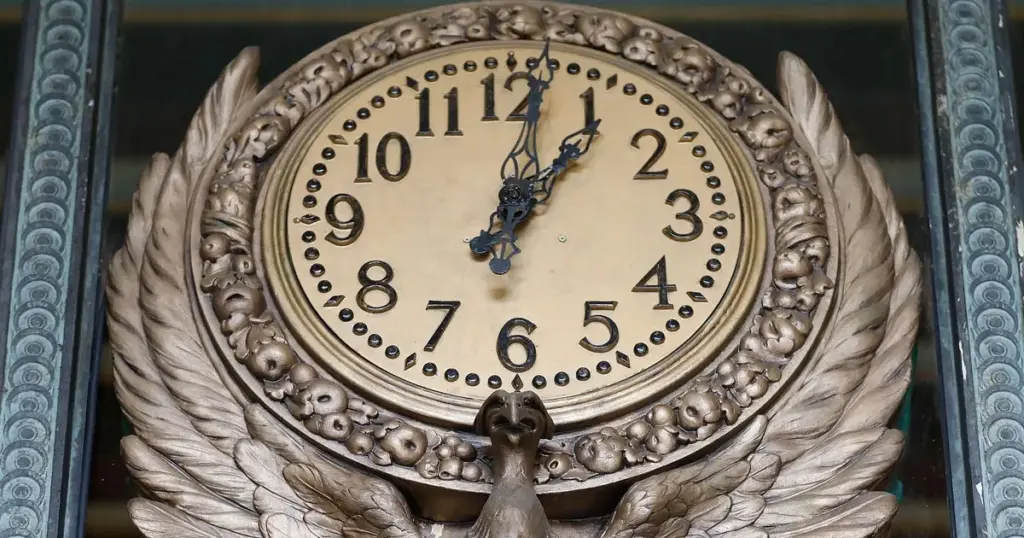
What is the time change in 2026?
Daylight saving time for 2026 will commence on March 8 at 2 a.m. local time, resulting in most Americans losing an hour of sleep as the clocks spring forward. This annual event has been a part of U.S. life since 1918, originally introduced to conserve fuel during World War I.
In 2026, daylight saving time will be observed for 238 days, concluding on November 1. This means that the shift will affect daily routines and sleep patterns for millions of people across the country.
British Columbia’s Permanent Shift
In a notable change, British Columbia will transition to permanent daylight time in 2026, a decision supported by 93 percent of the province’s residents. This shift means that when the clocks spring forward, they will not fall back in November, effectively eliminating the biannual time change.
According to B.C.’s Ministry of the Attorney General, the move to permanent daylight time is expected to provide benefits such as increased evening daylight, which can lead to more opportunities for outdoor activities and safer commutes. As one resident noted, “Most British Columbians will wake up Sunday having lost an hour of sleep — one that they’ll never gain back come November.”
Implications of the Change
The implications of this time change extend beyond sleep disruption. Studies have shown that losing an hour of sleep can affect mood, productivity, and overall health. As people adjust to the new schedule, it remains to be seen how these factors will play out.
Daylight saving time has been a contentious issue, with some arguing for its abolition due to the negative impacts on health and well-being. However, the tradition continues to be upheld in most parts of the United States, with exceptions like Hawaii and most of Arizona, which do not observe the time change.
As the date approaches, details remain unconfirmed regarding how the broader public will adapt to these changes and what additional measures may be implemented to mitigate the effects of losing an hour of sleep.