Background and Expectations
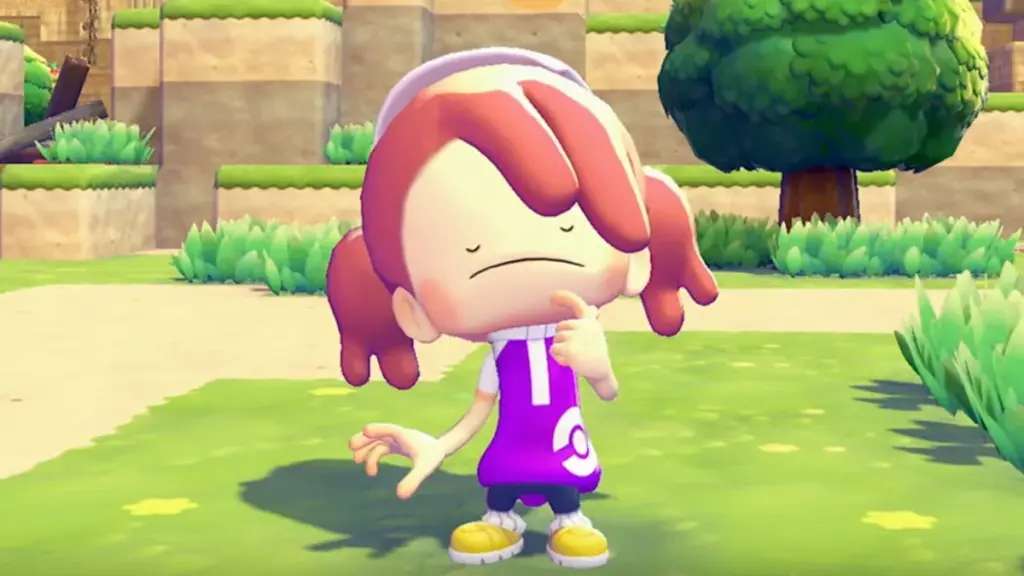
Before the release of Pokémon Pokopia on March 5, 2026, expectations were high for the game, which is set in a post-apocalyptic Kanto region where humanity has disappeared. The game combines city building with structured, mission-based story progression, allowing players to take on the role of a Ditto disguised as a human Pokémon trainer.
Decisive Moment
However, the situation took a turn when the White House posted a meme utilizing imagery from Pokémon Pokopia. This action was met with immediate backlash, as the Pokémon Company confirmed that it did not grant permission for the use of its intellectual property in this context.
Immediate Effects
The White House’s use of the Pokémon imagery has raised questions about the intersection of gaming culture and political messaging. Sravanthi Dev, a spokesperson for the Pokémon Company, stated, “We are aware of recent social content that includes imagery associated with our brand. We were not involved in its creation or distribution, and no permission was granted for the use of our intellectual property.” This statement underscores the company’s commitment to protecting its brand.
Expert Perspective
Dev further emphasized that the Pokémon Company’s mission is to connect people, not divide them, stating, “Our mission is to bring the world together, and that mission is not affiliated with any political viewpoint or agenda.” This perspective highlights the potential risks brands face when their imagery is co-opted for political purposes.
The incident illustrates the complexities of brand usage in political contexts, especially as the Pokémon franchise celebrates its 30th anniversary. As the lines between gaming and politics continue to blur, the implications for both brands and political entities remain significant.