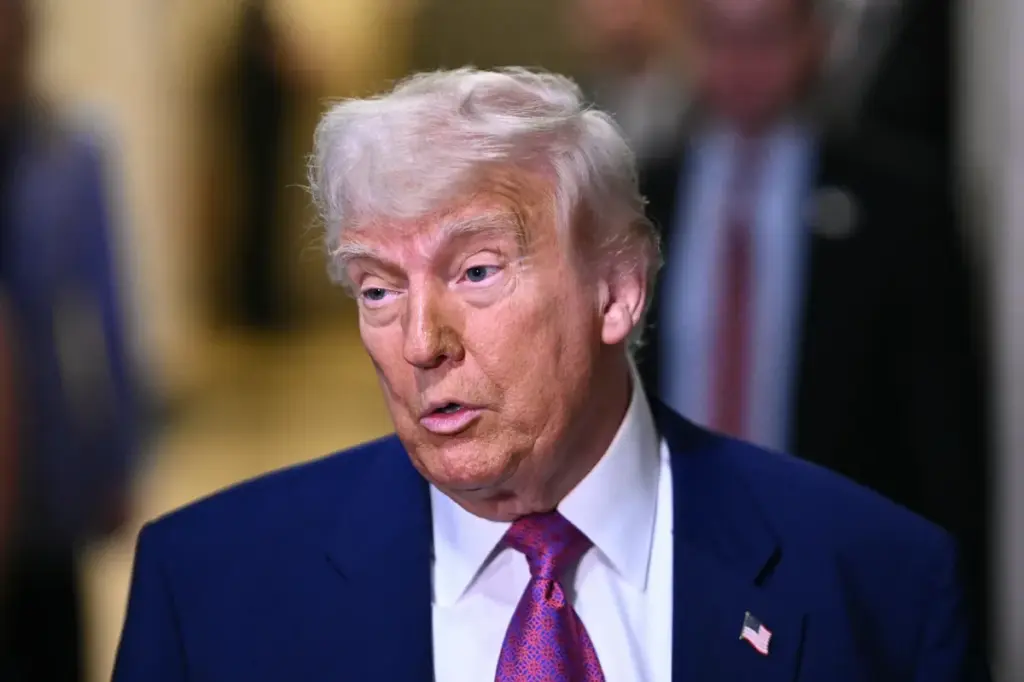
What are the implications of Trump’s new tariffs?
The recent imposition of tariffs by former President Donald Trump raises a critical question: how will these tariffs impact the U.S. economy and consumers? The answer is complex, as over 20 states have filed lawsuits against these tariffs, arguing that they will increase costs for businesses and consumers alike.
Trump’s tariffs, set at 15% on a large part of the globe, were imposed under Article 122 of the Trade Act of 1974. This action followed a significant defeat in the Supreme Court, which invalidated previous tariffs that were enacted under the International Emergency Economic Powers Act (IEEPA). Article 122 allows the president to impose tariffs for a period of five months, unless Congress intervenes. This legal framework has now become the focal point of contention among various states.
The lawsuit is spearheaded by Democratic attorneys general from states including Oregon, Arizona, California, and New York. They argue that these tariffs are not only illegal but also detrimental to the economic well-being of their constituents. Gavin Newsom, the Governor of California, stated, “(Donald) Trump continues to implement illegal and irresponsible policies hoping they will hold, but it is the Americans who pay the price daily.” This sentiment is echoed by New York Attorney General Letitia James, who emphasized, “These tariffs will only increase the cost of living and I intend to enforce the rule of law to protect New Yorkers.”
Since the Supreme Court’s decision, at least 1,800 companies have filed lawsuits against the government regarding the tariffs. FedEx was notably the first major company to take legal action following the ruling. The legal arguments surrounding these tariffs could lead to a national decision on refund procedures, with potential refunds amounting to $175 billion. However, the lawsuits are expected to take years to resolve, leaving many uncertainties in their wake.
Initially, the tariffs were set at 10% but were expected to increase to 15%. This escalation has raised concerns among businesses and consumers alike, as the tariffs are claimed to increase costs significantly. The tariffs are particularly impactful across various states, including Connecticut, Delaware, Illinois, and many others, which are now grappling with the financial implications.
The backdrop to this situation is the historical context of Article 122, which was created in response to financial crises in the 1960s and 1970s. The current legal battles are a reflection of the ongoing tensions surrounding trade policies and their effects on the economy. As businesses and states continue to challenge the legality of these tariffs, the ramifications for consumers and the broader economy remain uncertain.
Details remain unconfirmed regarding the exact duration and outcome of the legal proceedings surrounding these tariffs. As the situation develops, it is clear that the implications of Trump’s tariffs will be felt for years to come, affecting not only businesses but also the everyday lives of Americans across the country.