Escalating Tensions
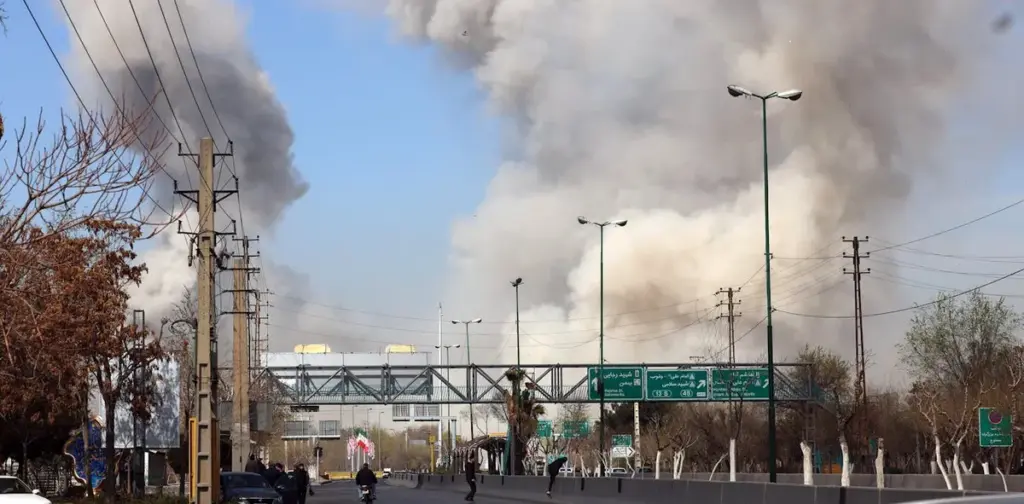
“This is what I search for at 3am when I can’t sleep: ‘US Iran,’ just to check,” said Maryam, reflecting the anxiety felt by many amid the ongoing conflict. The situation has intensified significantly, with military actions impacting both regional stability and civilian lives.
As of March 5, 2026, the strait of Hormuz is effectively closed, disrupting 20% of the world’s oil cargo. This closure raises concerns about global energy supplies and economic repercussions. Iran’s substantial stockpile of ballistic missiles and drones further complicates the geopolitical landscape.
In a recent military engagement, a US submarine sank an Iranian warship in international waters off the coast of Sri Lanka, escalating tensions between the two nations. The ramifications of this action are being felt across the region, as countries like Israel and various Gulf states remain on high alert.
Air Canada has responded to the crisis by cancelling all flights to Dubai until March 3 and to Tel Aviv until March 8. The Canadian government is actively coordinating with international partners to secure charter flights for approximately 1,200 Canadians currently in the United Arab Emirates, many of whom are struggling to return home due to airspace closures.
Nisreen Maktabi, a Canadian citizen, expressed her distress, stating, “I have very mixed feelings because my family is in Lebanon and Dubai, and I was crying on the flight at what’s happening.” This sentiment is echoed by many within the Iranian diaspora, who are experiencing anguish and uncertainty about their families in Iran.
The atmosphere in Dubai has grown tense as the conflict escalates, with residents and visitors alike feeling the weight of the situation. Godwin Scott noted, “The atmosphere in Dubai grew tense as the conflict intensified,” highlighting the broader impact on daily life in the region.
Public sentiment in the United States reflects a growing unease regarding the conflict. A poll conducted on March 2 revealed that 45% of respondents oppose the war, while only 32% support it. This division indicates a significant apprehension about the potential for further military involvement.
Maryam, who has been closely monitoring the situation, stated, “What is happening now is my worst fear.” Her words encapsulate the anxiety felt by many as the conflict continues to unfold.
Details remain unconfirmed regarding the long-term outcome of the conflict and the potential for NATO involvement, leaving many to speculate about the future of the region.