The Market is Talking About Trump’s Economic Impact
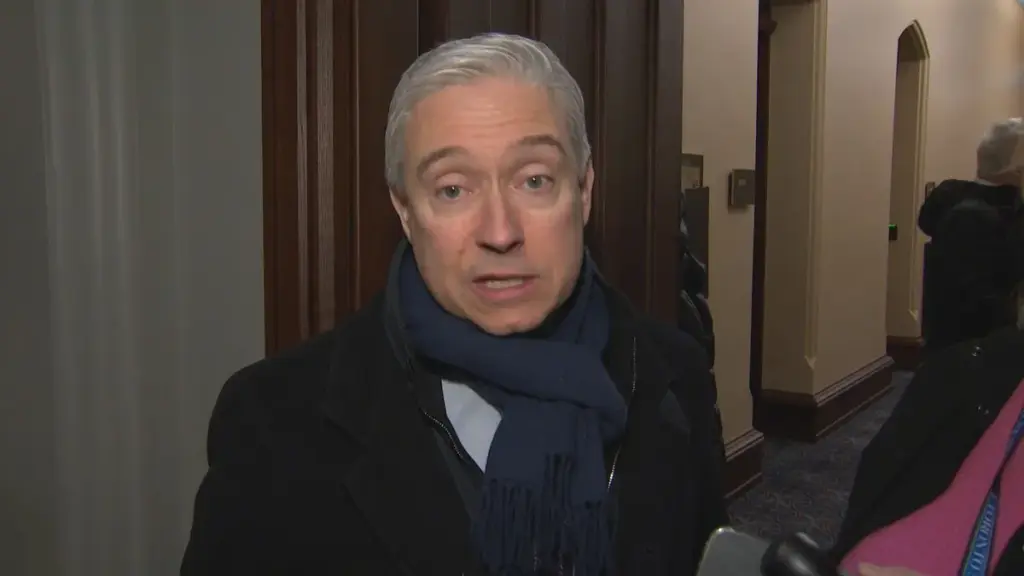
The market is currently buzzing about the implications of U.S. President Donald Trump’s recent State of the Union address, particularly in relation to Canada and ongoing trade negotiations. Minister of Finance Francois-Philippe Champagne expressed optimism regarding Canada’s position amidst the evolving discussions surrounding the Canada-United States-Mexico Agreement (CUSMA) review.
Despite the anticipation, the address did not unveil significant new economic strategies. According to Preston Caldwell, chief U.S. economist at Morningstar, the speech was largely retrospective, focusing on past achievements rather than outlining future economic directives. As attention shifts to trade policy, the outcomes of pending Section 301 tariff investigations are expected to play a crucial role in shaping the economic landscape.
Key takeaways from the address include:
- The absence of major new economic proposals that could impact the near-term U.S. economic outlook.
- The outcome of Section 301 investigations will influence tariff levels following the expiration of the 150-day Section 122 measure.
- While tariffs have generated over US$100 billion in revenue, they are deemed an inefficient tax with a narrow base.
- The limited pass-through of tariff costs to consumers has so far minimized the economic drag, but this may change if tariffs remain enforced.
- U.S. private fixed investment is contracting without AI-related spending, and manufacturing has not shown substantial benefits from tariffs.
As the market digests these insights, stakeholders are left to wonder how the evolving trade landscape will impact both the U.S. and Canadian economies. No official confirmation yet on any new policies or changes following the address.