Introduction
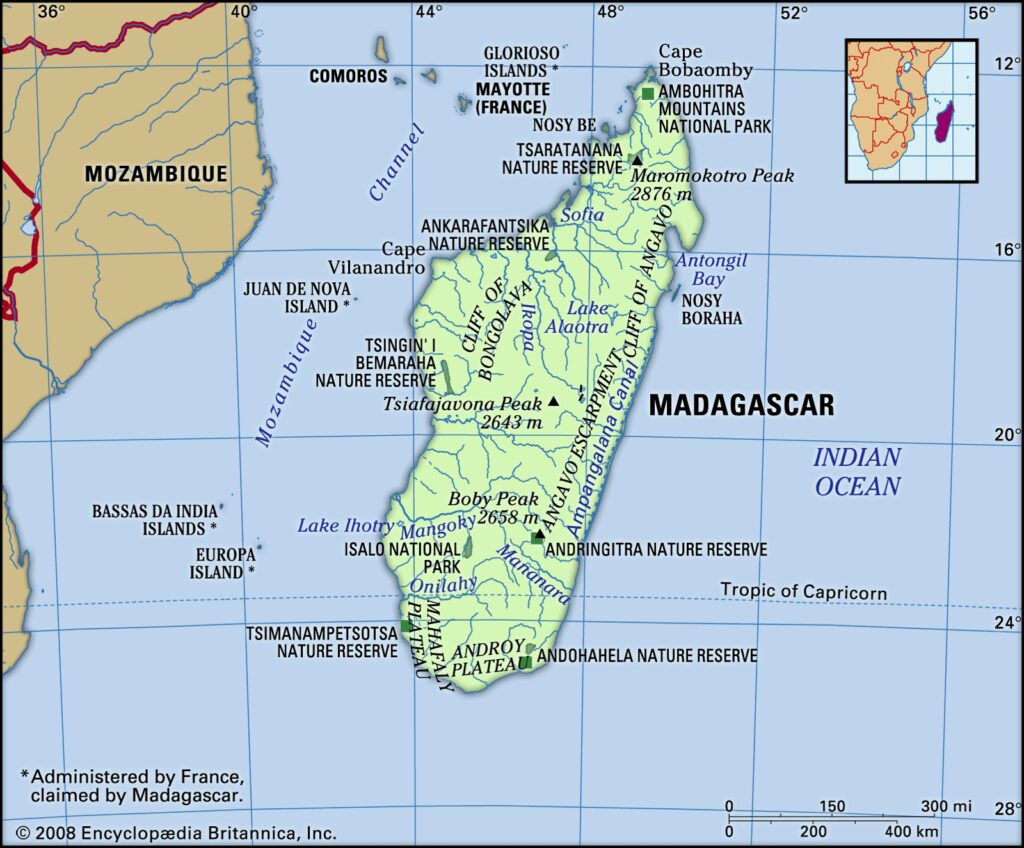
Madagascar, the fourth largest island in the world, is renowned for its extraordinary biodiversity and unique ecosystems. As an island nation, it has evolved distinct species that cannot be found anywhere else on Earth, making it a focal point for conservation efforts and ecological studies. Understanding Madagascar’s environmental significance and the threats it faces is crucial not only for the island but for global biodiversity.
Rich Biodiversity
Madagascar is home to approximately 5% of the world’s species, with an astonishing 80% of its wildlife found nowhere else. This includes over 100 species of lemurs, chameleons, and many other unique plants and animals. The island boasts unique ecosystems ranging from tropical rainforests to dry deserts, each supporting a plethora of diverse life forms. Notably, the ring-tailed lemur, Madagascar’s most iconic species, is a prime example of the island’s unique evolutionary path.
Conservation Challenges
Despite its rich biodiversity, Madagascar faces significant conservation challenges. Deforestation driven by agriculture, illegal logging, and mining threatens the unique habitats on the island. According to the World Wildlife Fund, over 40% of Madagascar’s forest cover has been lost in the past 50 years. Climate change further exacerbates these problems, affecting the delicate ecosystems and species that have evolved in isolation.
Recent Developments
Recently, there have been several initiatives aimed at preserving Madagascar’s rich wildlife. In 2023, the government of Madagascar, in collaboration with various international organizations, announced a new set of protected areas aimed at conserving critical habitats. These measures also include community-based conservation programs that empower local populations to engage in sustainable practices while promoting ecotourism.
Conclusion
Madagascar stands as a testament to the importance of biodiversity and the need for conservation. The ongoing loss of habitats poses a serious threat to not only Madagascar’s unique species but also to global biodiversity. As awareness grows, it is crucial for both local and international communities to support conservation efforts, ensuring that the unique wonders of Madagascar continue to thrive for future generations. The preservation of this biodiverse haven is not just an environmental issue; it is vital for the cultural heritage and livelihood of its inhabitants.