Introduction
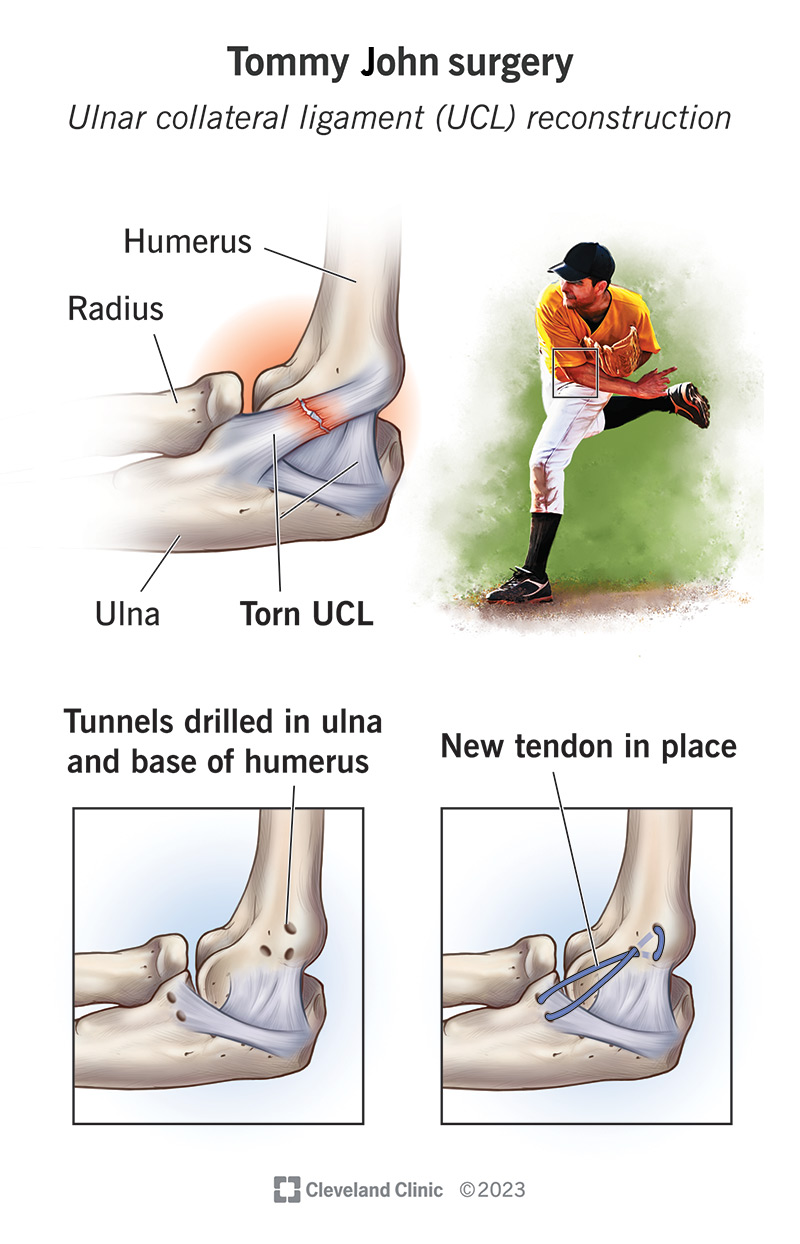
Tommy John surgery, formally known as ulnar collateral ligament (UCL) reconstruction, has become a critical procedure in the world of sports, especially for baseball players. The surgery, named after the former Major League Baseball (MLB) pitcher Tommy John, who first underwent the procedure in 1974, is essential for athletes experiencing severe elbow injuries. With the increasing incidence of UCL injuries in professional sports, understanding the implications, recovery process, and advancements surrounding Tommy John surgery is more relevant than ever.
The Rise of Tommy John Surgery
Recent statistics indicate that Tommy John surgery is on the rise, particularly among young athletes. According to the American Orthopaedic Society for Sports Medicine, over 40% of MLB pitchers have undergone this surgery at some point in their careers. Youth programs and collegiate athletics are seeing a worrying trend as well, where preventive measures are increasingly critical due to heightened competitive pressures and specialization in young athletes.
Procedure Details
The surgery involves replacing the damaged UCL with a tendon taken from another part of the patient’s body, or in some cases, from a donor. The recovery time varies widely, but athletes can expect to miss one to two full seasons before returning to their previous level of performance. Physical therapy is essential during recovery, aiming to gradually restore strength and range of motion in the elbow.
Current Trends and Innovations
In recent years, researchers have made significant advancements in surgical techniques and rehabilitation protocols for Tommy John surgery. Techniques such as bio-enhanced grafts and the use of platelet-rich plasma (PRP) are being investigated to enhance healing and speed up recovery. Furthermore, experts emphasize the importance of conditioning, strength training, and biomechanics in preventing UCL injuries from occurring in the first place.
Conclusion
Tommy John surgery plays a pivotal role in the lives of many athletes who face the likelihood of abandoning their careers due to elbow injuries. As this procedure continues to evolve, it raises awareness about injury prevention, rehabilitation, and the long-term effects of such surgeries. For aspiring athletes, parents, coaches, and sports professionals, understanding Tommy John surgery’s insights and trends will undoubtedly shed light on its significance in the realm of competitive sports. The ongoing research and innovations surrounding the surgery also hold promise for enhancing the future of sports medicine.