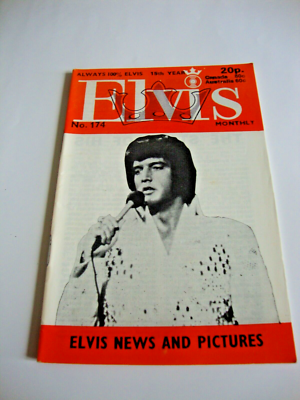
The Importance of Elvis Presley in Music History
Elvis Presley, known as the King of Rock and Roll, transformed the music landscape in the mid-20th century. His unique blend of music genres, charismatic stage presence, and cultural impact continue to resonate today. As we mark the 45th anniversary of his passing, it is vital to reflect on his contributions to music and society.
Career Highlights and Cultural Impact
Born on January 8, 1935, in Tupelo, Mississippi, Elvis rose to fame in the 1950s with hits like “Heartbreak Hotel,” “Hound Dog,” and “Jailhouse Rock.” He broke barriers with his fusion of country, blues, and pop, appealing to a broad audience. Presley’s appearance on television programs, particularly the Ed Sullivan Show, helped introduce rock and roll to mainstream America.
Elvis’s influence extended beyond music; he became a symbol of the cultural shifts of the 1950s, embodying youthful rebellion and the changing social dynamics. He faced backlash for his provocative performances, but his popularity soared, paving the way for future rock artists. His cultural significance is still felt today, as he inspired countless musicians and shaped the genre’s evolution.
Recent Events and Recognition
The ongoing fascination with Elvis is evident in recent events, including the release of the biopic “Elvis” in 2022, showcasing his life and career. The film received critical acclaim and reignited interest in his music, introducing him to new audiences. Additionally, various tribute events and exhibits continue to celebrate his life and contributions, particularly at Graceland, his famed Memphis home.
Conclusion: The Legacy of Elvis Presley
Elvis Presley’s legacy is not just limited to his music but extends to his influence on culture and social change. As new generations discover his work, the King of Rock and Roll remains an enduring figure in popular culture. His ability to connect with audiences across different eras positions him as a timeless icon. Moving forward, Elvis’s music will likely continue to inspire and shape the future of the rock genre.