Introduction
Jane Goodall is a name synonymous with wildlife conservation and primatology. As one of the most respected figures in environmental science, her groundbreaking research on chimpanzees has not only changed how we view primates but has also significantly influenced conservation efforts worldwide. Goodall’s work emphasizes the strong connection between humans and animals, highlighting the importance of empathy and respect for all living beings.
Groundbreaking Research
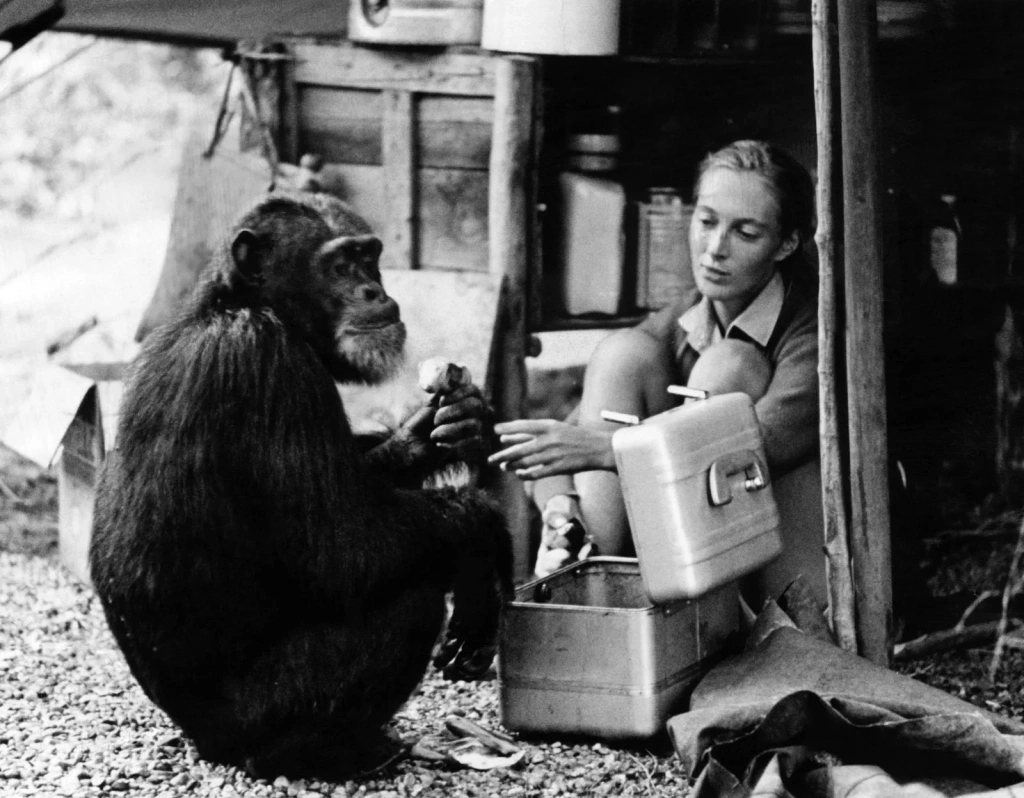
In the early 1960s, Jane Goodall traveled to Tanzania to study wild chimpanzees in Gombe Stream National Park. Her observations revealed that chimpanzees have complex social structures, exhibit emotions, and even use tools—an attribute that was thought to be exclusive to humans. These findings radically transformed the scientific community’s understanding of the animal kingdom.
In 2023, Goodall’s research continues to resonate, especially as concerns about biodiversity loss and habitat destruction grow. Recent studies showcase how chimpanzees use tools in novel ways, demonstrating their adaptability and intelligence, which Goodall first illuminated with her pioneering work.
Advocacy and Conservation Efforts
Beyond her research, Jane Goodall has dedicated her life to advocating for wildlife and environmental conservation. She founded the Jane Goodall Institute in 1977, which focuses on community-centered conservation efforts and sustainable development. The institute has worked to empower local populations to protect their environments while fostering a harmonious relationship between people and wildlife.
In 2023, the institute launched several initiatives aimed at mitigating the impacts of climate change on chimp habitats. These efforts include reforestation projects and educational programs designed to raise awareness about the challenges facing both chimpanzees and their ecosystems.
Global Influence and Recognition
Jane Goodall’s influence extends globally. She has been the recipient of numerous awards and honors, including the UNESCO International Galileo Prize for her contribution to global conservation efforts. Her work has inspired generations, from scientists to children in classrooms, advocating for a more compassionate relationship with nature.
Conclusion
Jane Goodall’s contributions to primatology and conservation are monumental. As we face an increasingly challenging environmental landscape, her work reminds us of our shared responsibility to protect our planet and its inhabitants. With a focus on empathy and community-driven approaches, Goodall continues to lead the charge in advocating for a more harmonious existence between humans and wildlife. As she often says, “What you do makes a difference, and you have to decide what kind of difference you want to make,” serving as a powerful call to action for us all.